TRAINING | ASK A SCIENTIST | FACT SHEETS | PUBLICATIONS | REPORTS & STUDIES
TRAINING

We can achieve a world without plastic pollution but we need to build a bigger, more powerful grassroots movement to do it.
How can you help? Just register for the upcoming Beyond Plastics Grassroots Advocacy Training to learn practical and powerful ways to end plastic pollution and engage your larger community.
Join us for a free, two-hour online training designed to give you the knowledge and tools needed to take meaningful local action on plastic pollution. Whether you're just getting started or looking to deepen your advocacy, this session will provide both context and practical steps for making lasting change — beginning right in your own community.
ASK A SCIENTIST
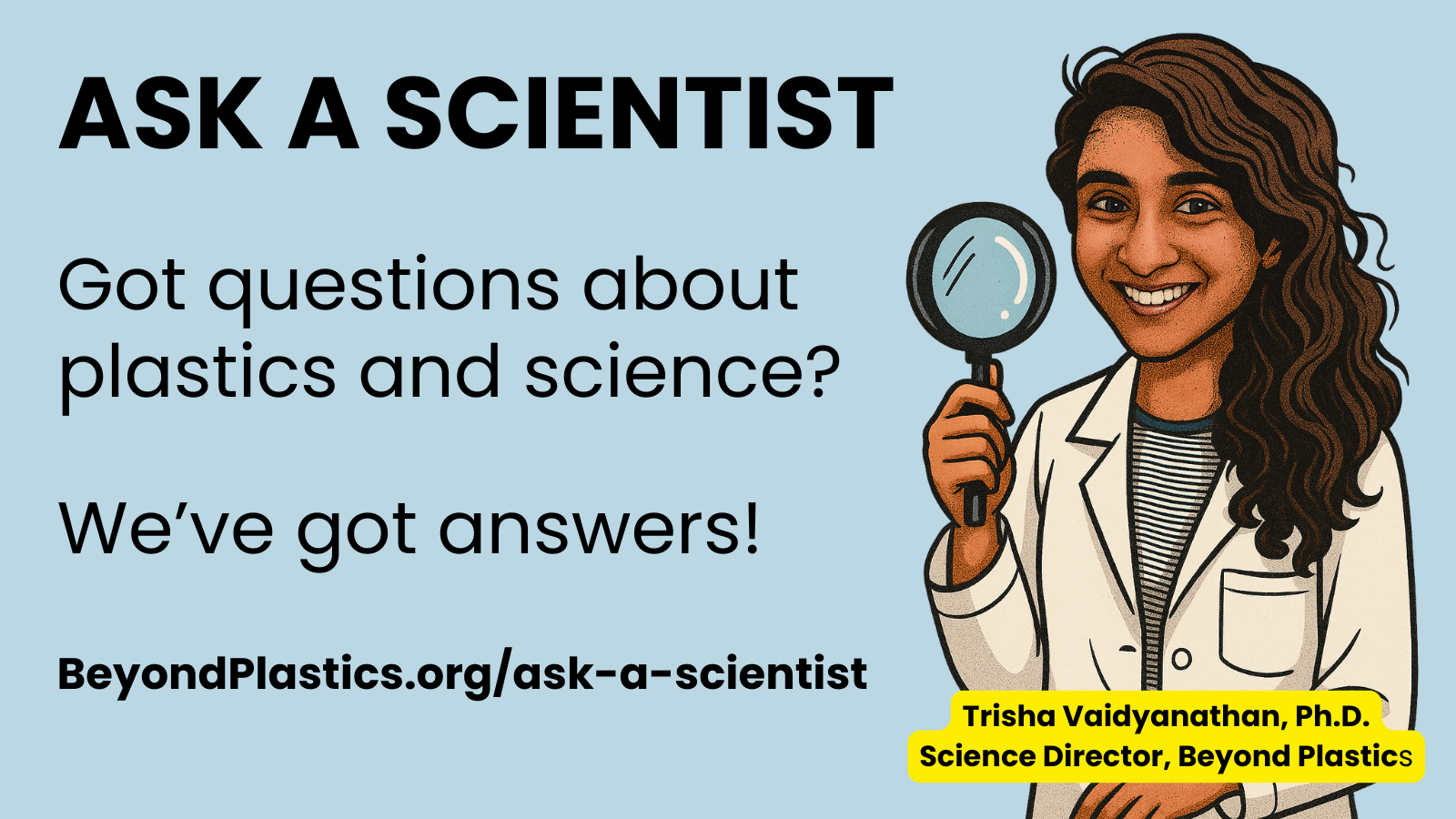
Plastics are complicated—feedstocks, chemical additives, chemical reactions, recycling facilities, technical considerations, health impacts, new technologies, marketing claims, and more. Our Science Director, Trisha Vaidyanathan Ph.D.’s monthly “Ask a Scientist” column explores these complexities in plain English.
Pssst! Do you have a question about the science of plastics? Submit it here.
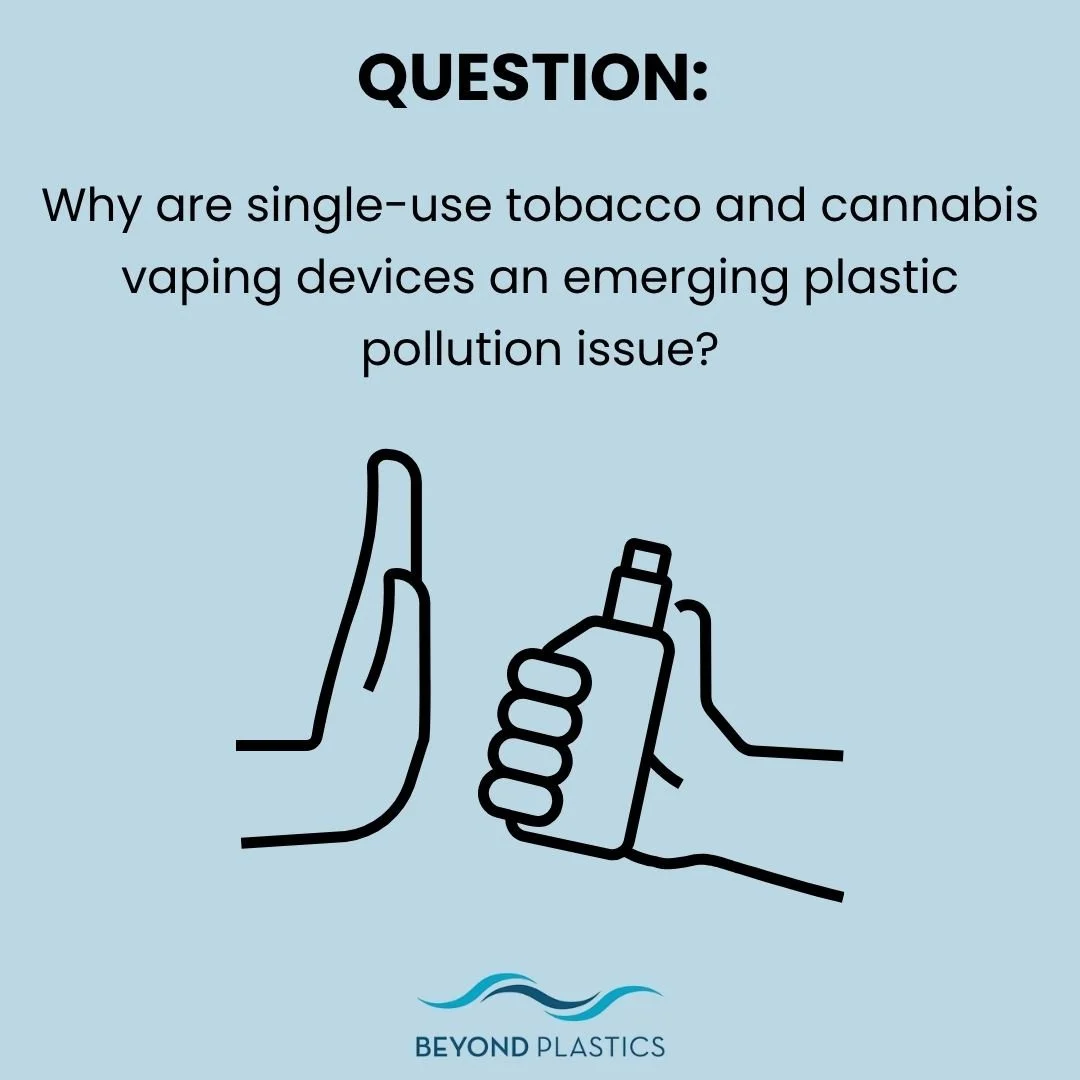
Waste from disposable vapes has increased in recent years. In just the two years between 2021 and 2023, 35 million more vapes were thrown away in the U.S., resulting in an estimated 5.7 disposable vapes thrown away every second in 2023. However, disposable vapes are a uniquely concerning type of plastic pollution—vapes are a triple threat that combines three waste problems in one: single-use plastic, hazardous chemicals, and electronic waste.
Plastic can harm our own health, but what about our dogs? Just like us, our dogs are exposed to plastic throughout their lives, from their food and toys, to furniture and outdoor pollution. Unfortunately, just like us, plastics — particularly the chemicals within them and the microplastics they create — can pose a threat to our dog’s health.
Scientists are increasingly alarmed by the rise of antibiotic-resistant bacteria, or “superbugs,” which could make even minor infections much harder to treat. Plastic may seem unrelated, but recent discoveries are finding a surprising link.
FACT SHEETS
Discarded e-cigarettes represent a complex, fast-growing plastic pollution problem. They combine single-use plastics, hazardous chemical waste, and electronic waste into one problematic device. Data show a severe lack of public awareness about safe disposal: a Truth Initiative survey found that 51% of users aged 15–24 throw devices straight into standard trash cans, 17% put them in household recycling, and only 15% use electronic recycling facilities.

From chew toys and kibble to beds, treats, food bowls, and even the dust on your floor, plastic is part of nearly every dog's daily life.
Plastics can contain a wide range of toxic chemicals that are linked to reproductive, developmental, neurological, and cancer-related effects.1 These chemicals can migrate or leach out of plastic products over time. Plastic can also shed tiny particles of plastics known as microplastics, that carry these chemicals and create another potential route of exposure.
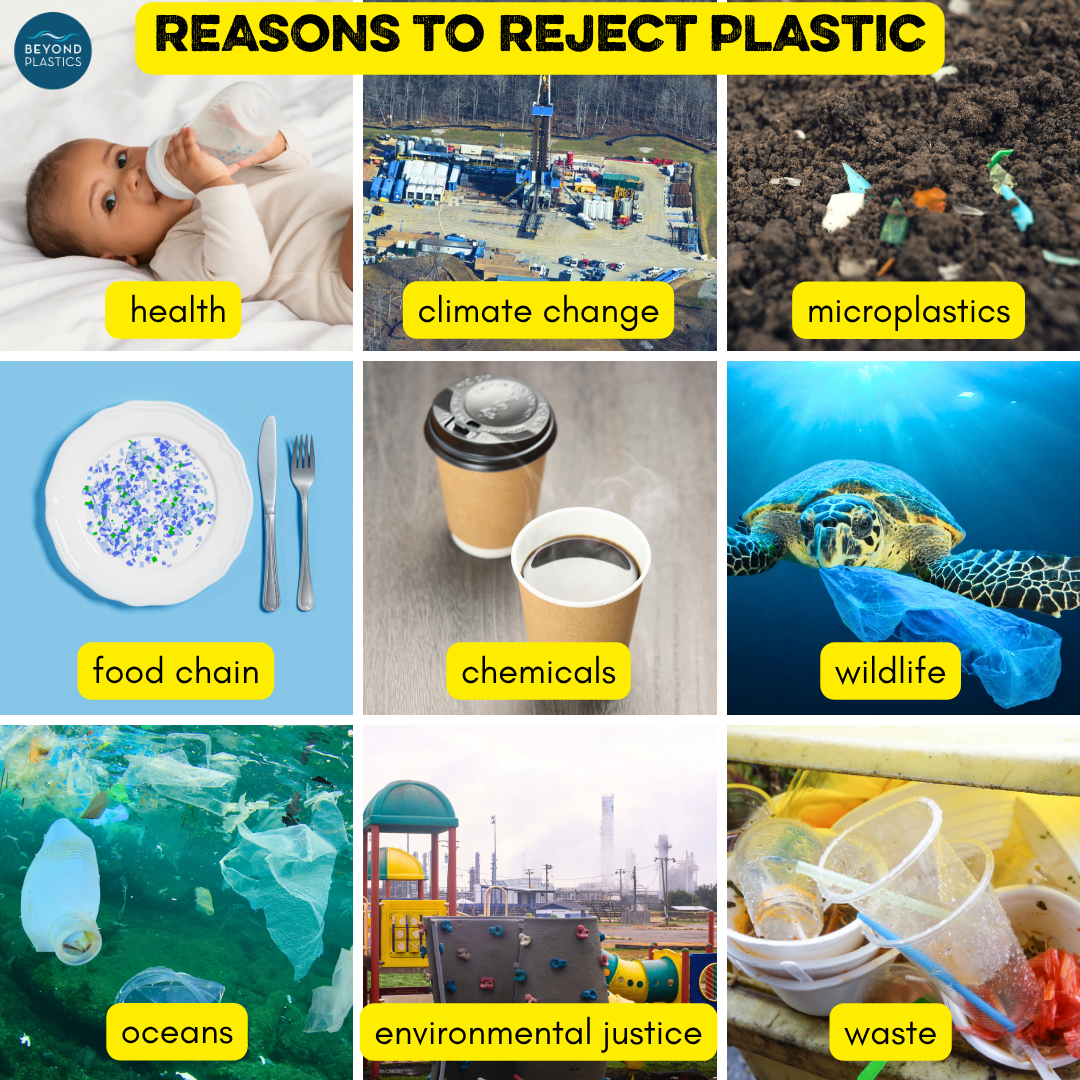
From climate to chemicals to human health to wildlife to oceans to environmental justice and more, there are so many good reasons to SAY NO TO PLASTIC!

Silicone is a human-made material that is often marketed as a sustainable alternative to plastic that can come in many different forms from resins to rubbers to liquids. Is silicone a plastic? And is it safe to use? Get the facts.
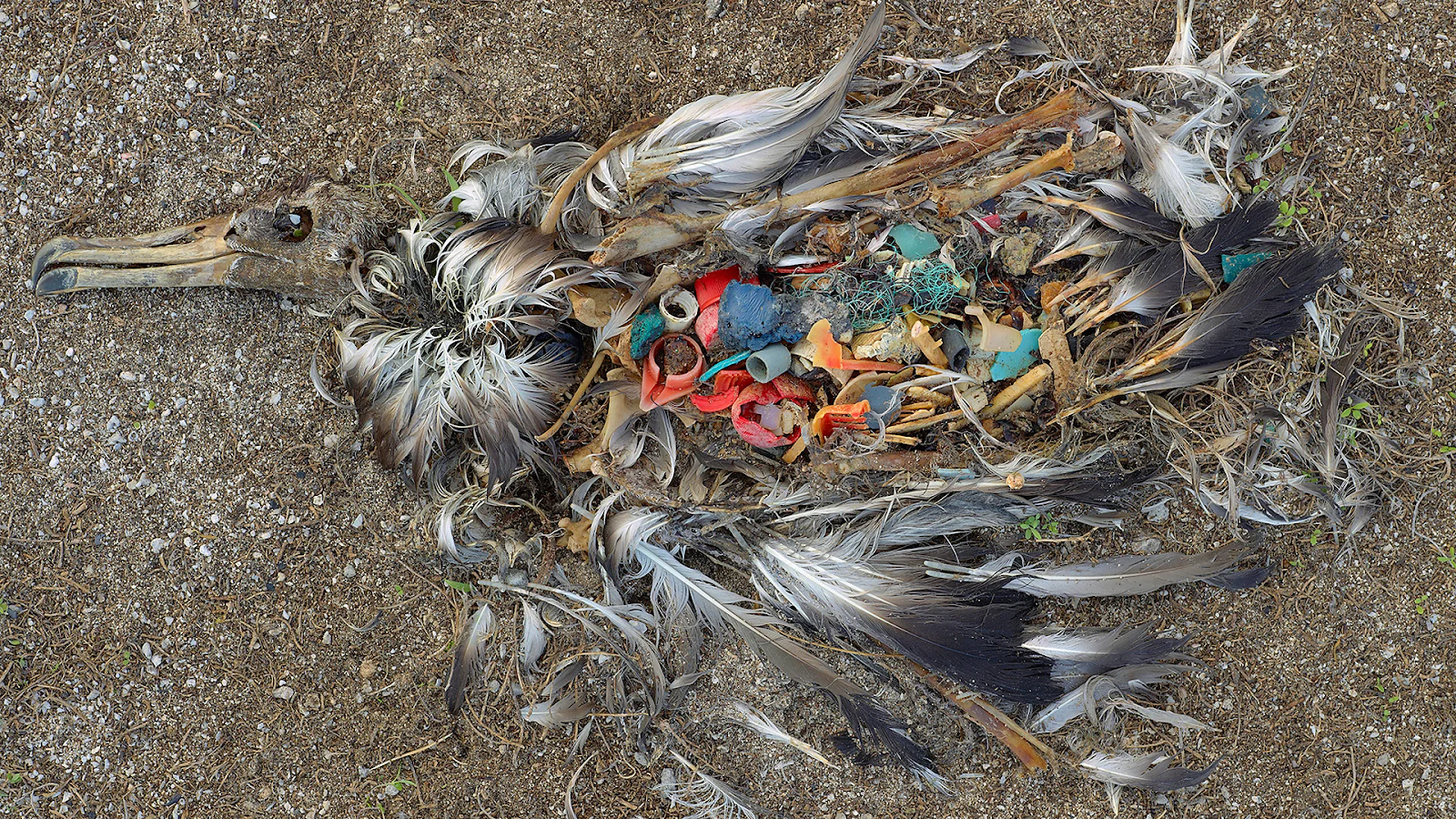
Plastic poses a threat to birds’ survival. It is found in nearly every seabird, woven into backyard nests, and scattered across the most remote bird habitats in the world. This problem is only getting worse as plastic production continues to rise. Learn more.

About 90% of toys on the global market are made primarily from plastic and > 4,200 hazardous chemicals have been identified in plastic, raising concern about the safety of plastic toys. Learn more.
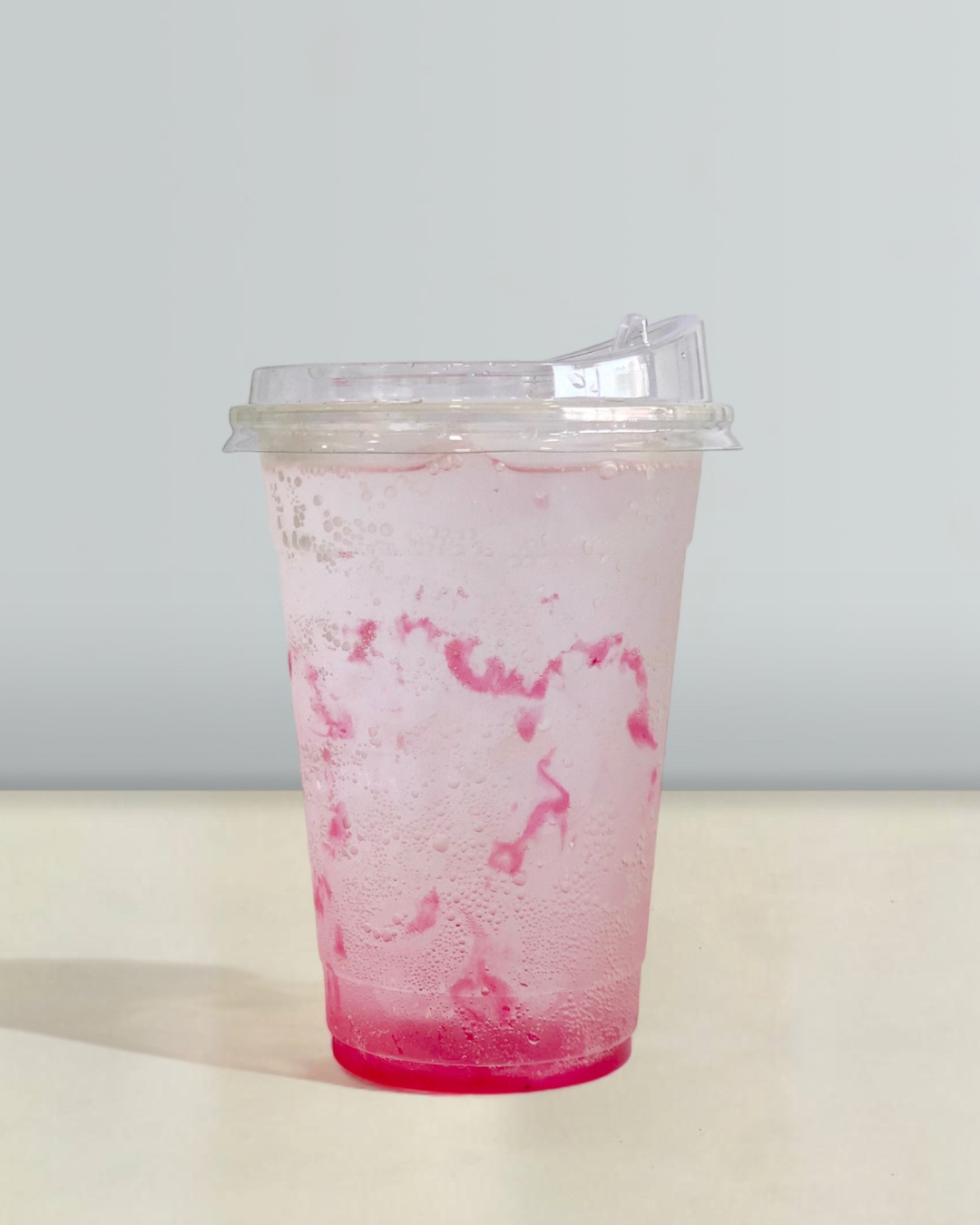
In addition to recycling’s proven inability to keep up with the volume of plastic waste produced, using recycled plastic in food and beverage packaging poses possible health risks.
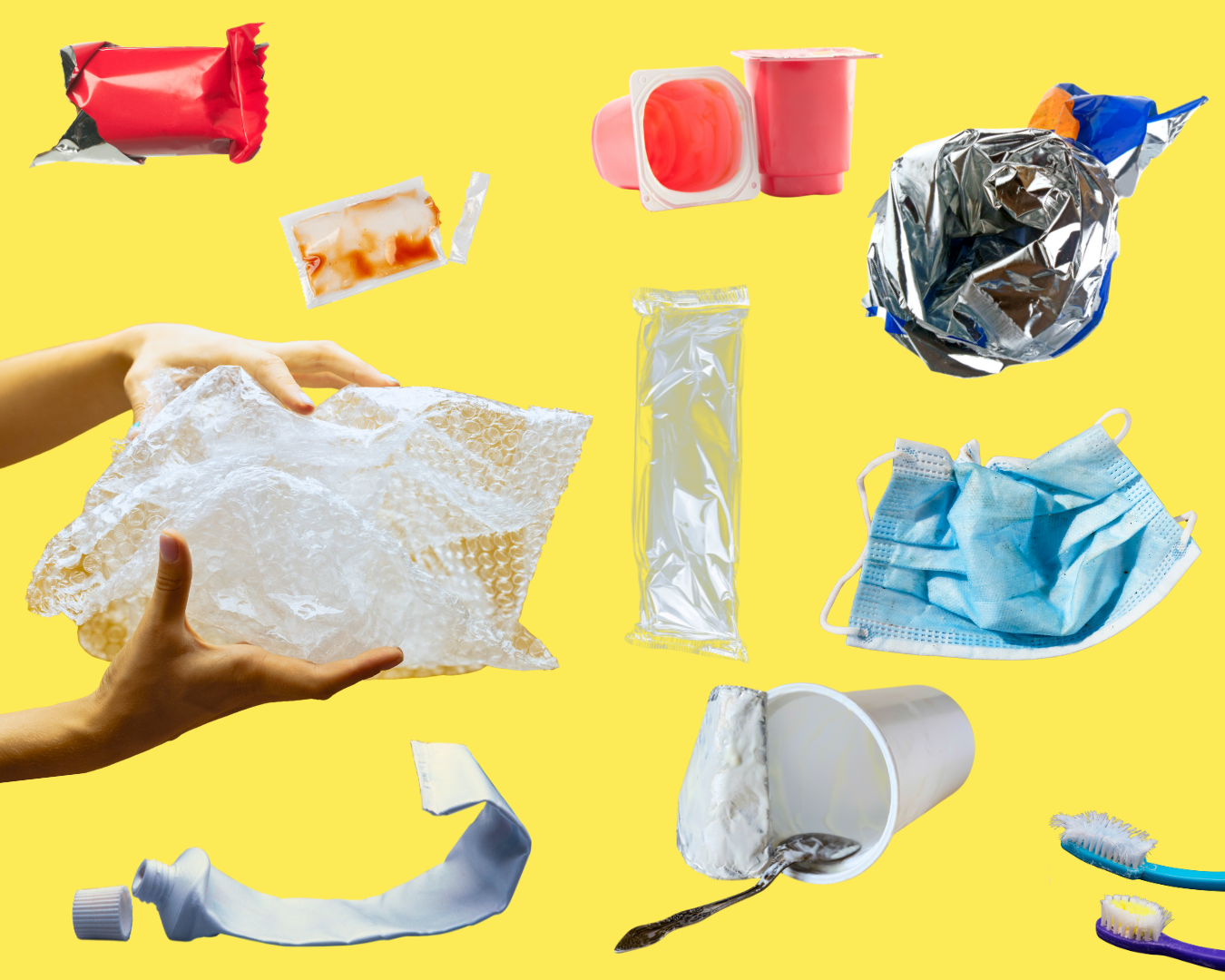
At first glance, collecting and mailing back “hard-to-recycle” plastic packaging may seem like a good solution. Unfortunately, these for-profit programs are just another distraction from the real issue: plastic packaging that is not designed with sustainable disposal, recycling, reuse or taxpayer costs in mind.

Bottle caps are a source of plastic pollution that can be easily avoided. How? By requiring bottle caps to be ATTACHED to the bottles as the European Union has recently mandated. Learn more.

Micro- and nanoplastics can enter the human body through the mouth, nose, and skin. From there, these particles can travel via the bloodstream to any organ in the body, including the brain. Learn more about the negative impacts these plastic shards have on the brain.

Building materials are a significant and growing sector of plastic use. Globally, building and construction is the second-highest-use sector for plastics. Unfortunately, plastic building materials threaten environmental and human health throughout their life cycles.
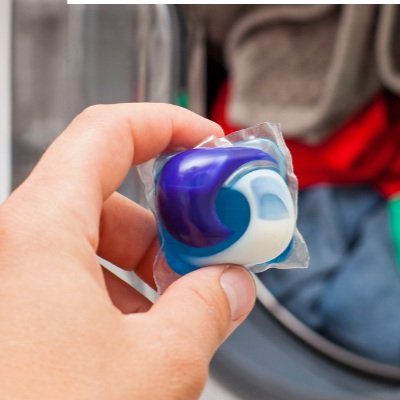
Polyvinyl Alcohol (more commonly known as PVA) is a synthetic, petroleum-based plastic polymer that is used as a film wrap for laundry and dishwasher detergent pods, and in the material used in laundry detergent sheets. Learn more about its potential health and environmental impacts and existing alternatives.
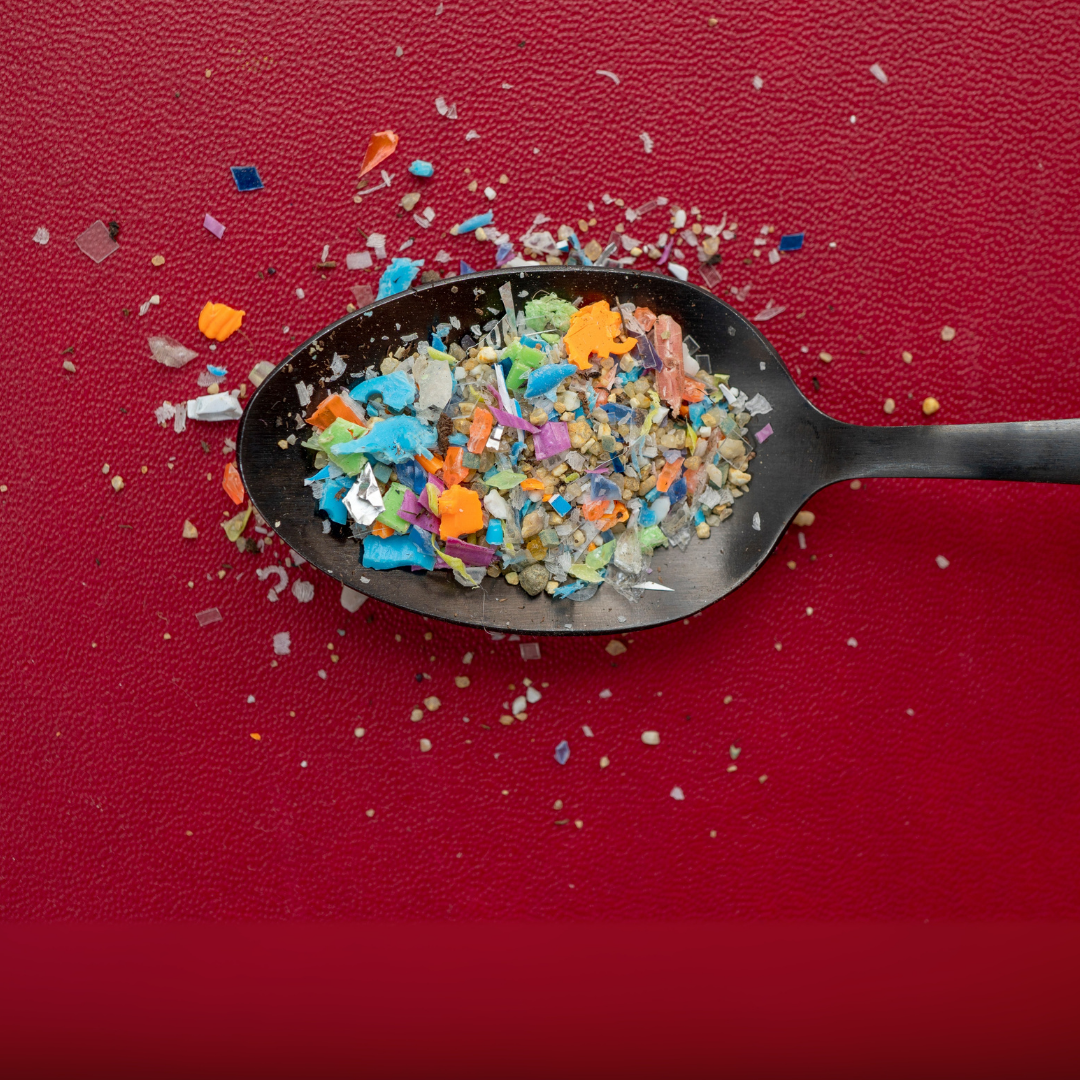
Microplastics are tiny pieces of plastic that are found everywhere — in our oceans, lakes, streams, drinking water, soil, plants, fish, sea birds, most foods we eat, in the air, and in all of our bodies. Data is emerging that links these particles with a host of health harms. Learn how to reduce your exposure.

Black plastics are rarely recycled due to limitations in recycling facilities. But that’s not the only problem, black plastics can contain unregulated amounts of toxic chemicals including heavy metals and flame retardants.
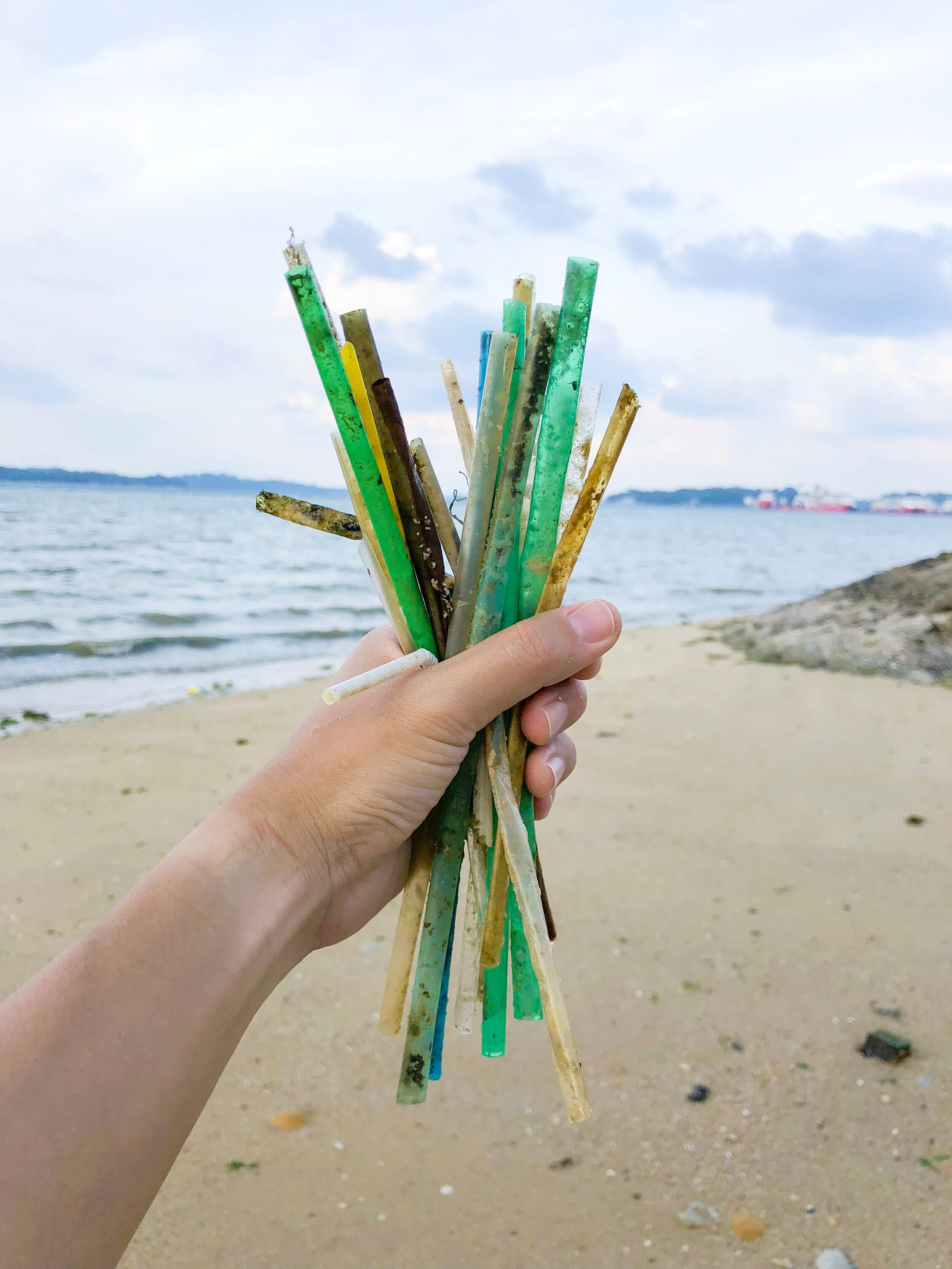
Plastic straws may be small but they’re a BIG problem — Americans use millions of plastic straws each day. These straws are not recyclable so they end up in landfills and incinerators as well as littered in our environment where they may persist for hundreds of years. But you can help!
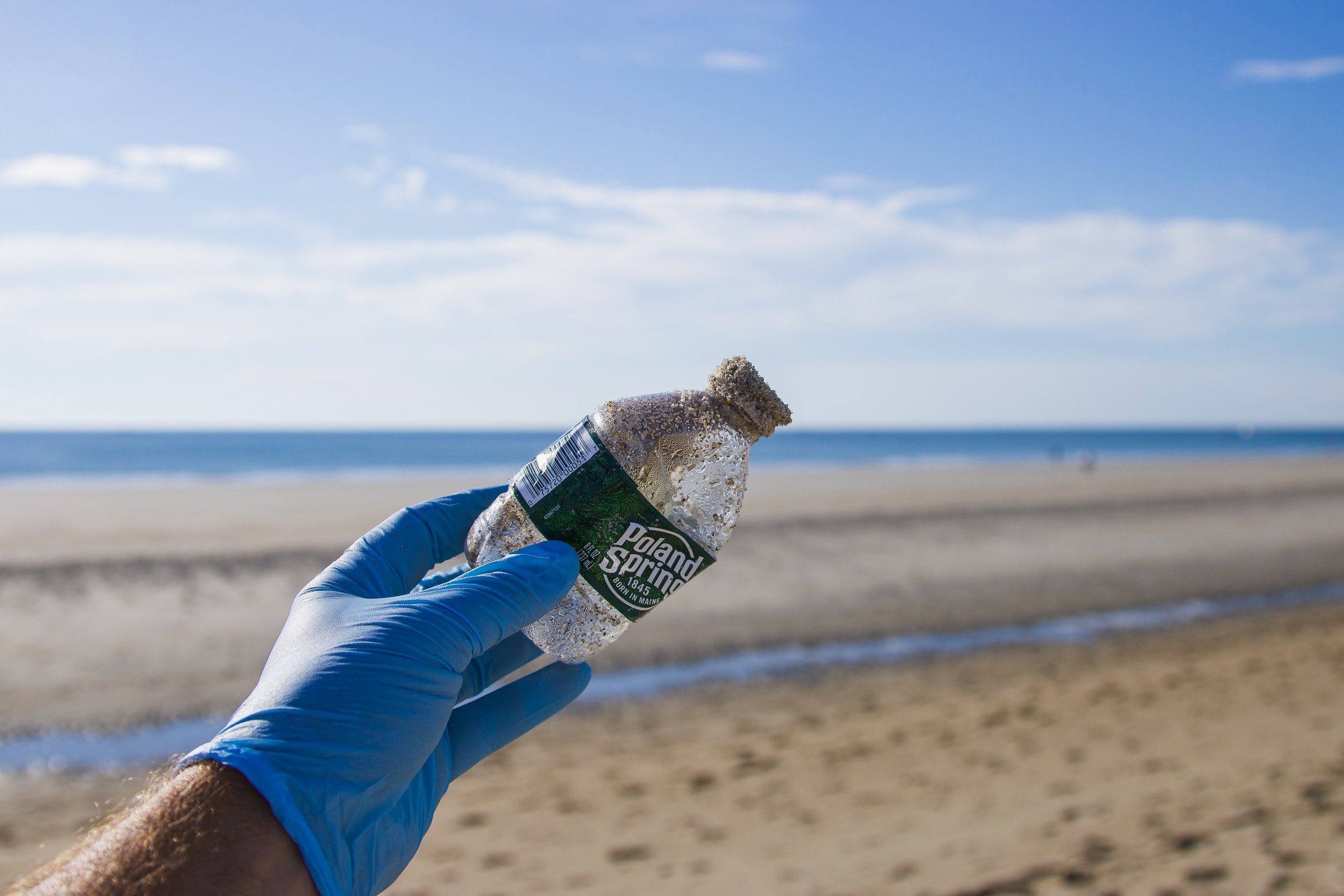
Single-use plastic bottles are a rapidly growing source of plastic pollution that are by and large also unnecessary. Learn more.

Plastic tea bags and hot water are a BAD combination for your health. Learn more about how you can avoid this source of microplastics pollution in your daily cup of tea and urge tea companies to replace plastic tea bags with paper or good old bulk loose, leaf tea.

Synthetic turf is hazardous to human health due to chemical exposure, microplastics and the risk of skin burns as well as infections, with children being especially vulnerable.
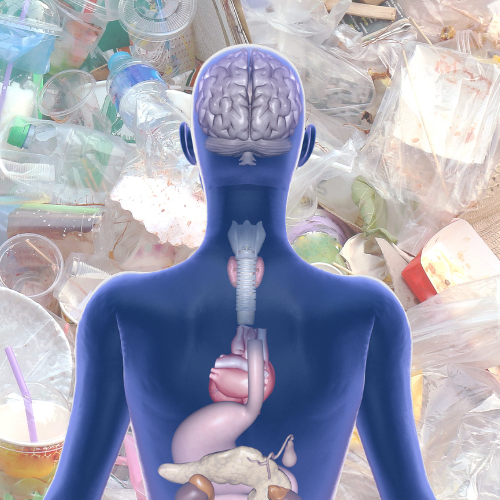
Over 98% of plastics are made from fossil carbons such as oil and gas. Turning these substances into plastics involves the addition of petrochemical additives – quite a lot of them. Over 13,000 chemicals are known to be involved in the production of plastic. More than 2300 of these are “chemicals of concern.”
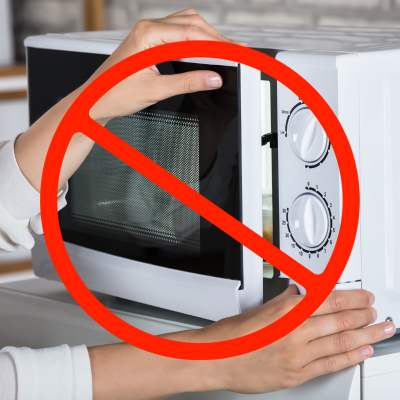
When food or beverages are microwaved in plastic containers, chemical additives from inside the plastic migrate into the food and tiny flecks of plastic known as micro- and nanoplastics are also shed into the food. Both of these can present health risks.
PUBLICATIONS
Browse all Beyond Plastics’ reports, whitepapers, fact sheets, and articles below.
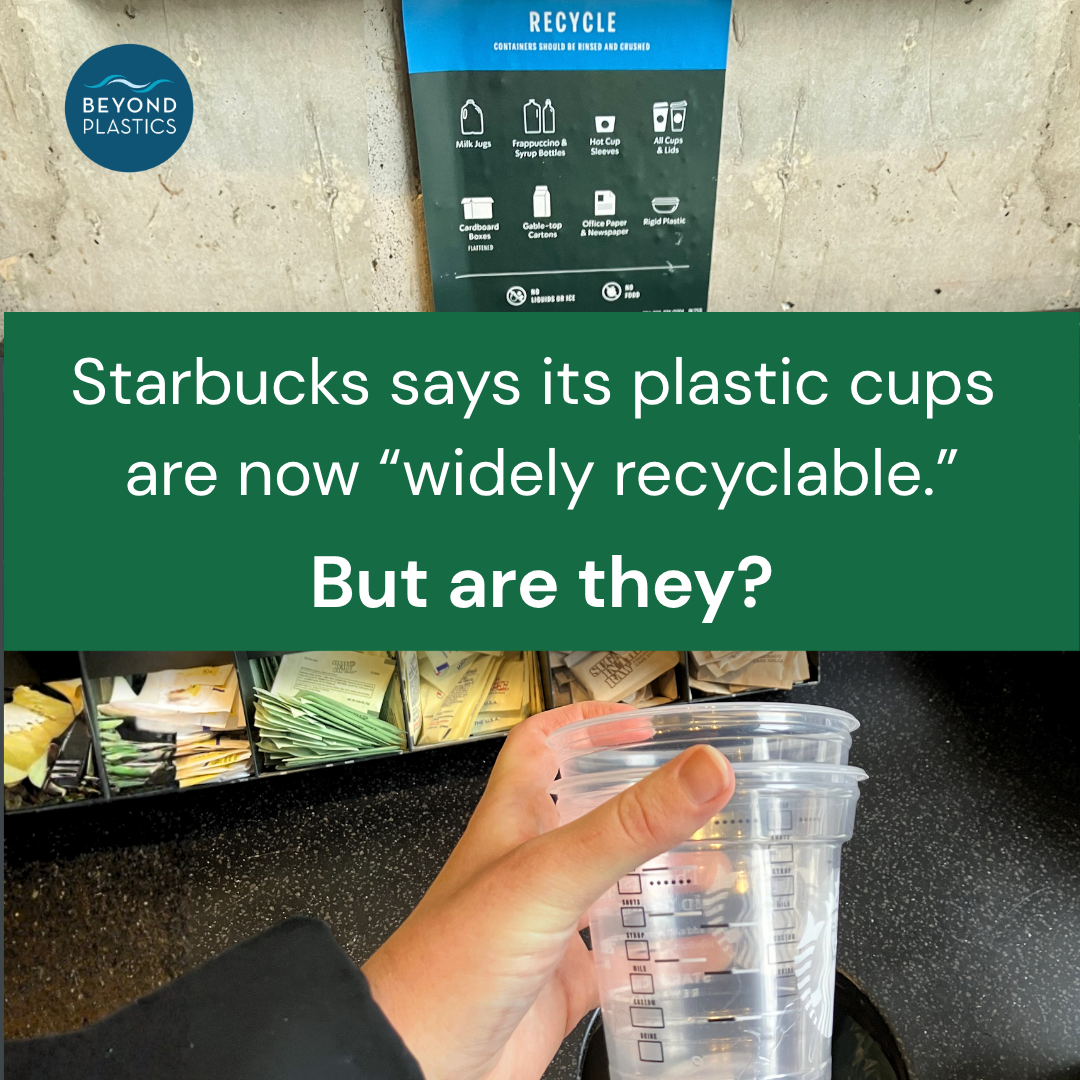
A three-month national investigation by Beyond Plastics found that not a single tracked Starbucks cold-beverage cup ended up at a recycling facility — even when the cups were placed in clearly marked recycling bins inside Starbucks stores. These findings directly contradict Starbucks’ public claims that its single-use polypropylene (No. 5 plastic) cold cups are “widely recyclable.” Learn more.

Reducing plastic waste in New York has turned into a David vs. Goliath fight in Albany.
On one side: communities, environmental advocates, local governments, and public health organizations fighting to reduce toxic plastic packaging, save taxpayer dollars, and hold corporations accountable.
On the other: some of the world’s biggest corporations — Amazon, ExxonMobil, McDonald’s, Shell, Coca-Cola, and their allies — pouring millions into lobbying campaigns to protect the status quo of more waste, more pollution, and more taxpayer costs.
“The Problem with Plastic: How We Can Save Ourselves and Our Planet Before It’s Too Late” critically examines the paradox of this material, first celebrated for its innovations and now recognized for its devastating environmental and public health impacts. Coming soon from The New Press in December 2025.

The Packaging Reduction and Recycling Infrastructure Act (AB 1749/SB 1464) would not only help solve New York State’s growing solid waste crisis by reducing packaging waste by 30% over 12 years, protect public health by banning the use of 17 toxic chemicals in packaging, and improve recycling rates across the state, but also save New Yorkers a significant amount of money—an estimated $1.3 billion over the next 10 years.

This report describes the ways in which vinyl chloride has harmed and continues to threaten frontline communities, workers, and consumers; provides a sampling of the many vinyl chloride leaks, spills, fires and explosions that have occurred over the last five decades; and makes recommendations to the EPA to designate vinyl chloride as a high-priority chemical under the Toxic Substances Control Act (TSCA) process.

Just because a product is labeled “biobased”, “biodegradable” or “compostable” plastic does not necessarily make it better for the environment or safer for your health. Get the facts in Beyond Plastics’ new report.
REPORTS & STUDIES

This study presents, for the first time, a comprehensive evaluation of microplastic ingestion levels in four ecologically and commercially significant crustaceans, spanning two distinct regions in the Mediterranean Sea. By addressing this critical knowledge gap, a consistent methodology was used, enhancing data comparability and providing novel insights into regional and species-specific patterns of microplastic exposure.

For decades, the plastic industry has promised that recycling would solve the problem of plastic waste, yet the plastic crisis continues to grow. The dismal U.S. plastic recycling rate continues to hover around 5 percent. Globally, plastic use is projected to almost triple by 2060, relative to a 2019 baseline.
NRDC’s new issue brief “More Recycling Lies” confirms and expands on our previous findings: So-called “chemical recycling” is mostly plastic incineration.
We show that circulating MPs are phagocytosed and lead these cells to obstruction in the capillaries of the brain cortex. These blockages as thrombus formation cause reduced blood flow and neurological abnormalities in mice. Our data reveal a mechanism by which MPs disrupt tissue function indirectly through regulation of cell obstruction and interference with local blood circulation, rather than direct tissue penetration.
We concluded that exposure to microplastics is “unclassifiable” for birth outcomes and gestational age in humans on the basis of the “low” and “very low” quality of the evidence. We concluded that microplastics are “suspected” to harm human reproductive, digestive, and respiratory health, with a suggested link to colon and lung cancer. Future research on microplastics should investigate additional health outcomes impacted by microplastic exposure and identify strategies to reduce exposure.

The study shows plastic exposure as a significant CVD risk factor regardless of duration. It leads to changes in myocardial tissue, gut microbiota, and metabolites, all closely tied to CVD.
In this brief, we present highlights from the significant body of science indicating that plastic building materials are contributing to serious health and environmental harms over their life cycle, from fossil fuel extraction to production, use, and disposal. These impacts fall disproportionately on susceptible and marginalized people, including women, children, Indigenous people, low-income communities, and people of color. We share examples of solutions and offer recommendations to strengthen policies that will reduce plastic use in the built environment and associated life cycle harms.

This study presents the first definitive confirmation of microplastic presence in the human stomach, based on samples from 26 cadavers. 97 microplastic particles were extracted from stomach contents, across all 26 individuals, revealing a universal prevalence of microplastics in the cadavers.

PLASTIC RECYCLING
IS A LIE
We created this super short claymation video in response to Coca-Cola’s outrageous animated greenwashing video using Bill Nye the Science Guy to try to convince people that plastics recycling is the answer. Reduce, reuse and refill are the only real solutions to the growing plastic pollution crisis.