Recycled Plastic in Food and Beverage Packaging
Although we should keep recycling paper, cardboard, glass, and metals, and compost yard waste and food waste, the sad reality is that the recycling of plastics has been an abysmal failure. Recycling rates in the U.S. are estimated to be only 5% to 6% annually. Despite this data, fossil fuel, chemical, and consumer brand companies continue to push recycling as a viable solution to the plastic waste problem. In addition to recycling’s proven inability to keep up with the volume of plastic waste produced, using recycled plastic in food and beverage packaging poses possible health risks.
WHAT’S DIFFERENT ABOUT RECYCLED PLASTIC?
Recycled plastic is different from new, “virgin” plastic and may introduce additional risks, with more and more research suggesting that recycled plastics can become “vectors for spreading chemicals of concern.” This is especially concerning when recycled plastic is used for food and beverage packaging, as it’s well-known that harmful chemicals can transfer from packaging into our food, and then into our bodies.
Plastics are extremely complex materials. Scientists have identified more than 16,000 chemicals in plastics. More than a quarter of these chemicals are known to be toxic while nearly two-thirds lack public and trustworthy information on their safety. Different chemical mixtures create the huge variety of plastic we see — varying in color, durability, flexibility, and more — which are often mixed together in the same recycling bin. In the end, recycled plastics end up with an even more complex and unpredictable chemical mixture for several reasons:
Chemical accumulation: Multiple different plastics combine to create recycled plastic. As a result, chemicals from multiple origins accumulate in a single material.
Chemical reactions: During use and recycling, chemicals may react with each other and transform into new and unknown substances.
Contamination: Recycled plastic may contain added chemicals from:
New chemicals added during the recycling process;
Chemicals from the environment that have attached to the plastic during its life; and
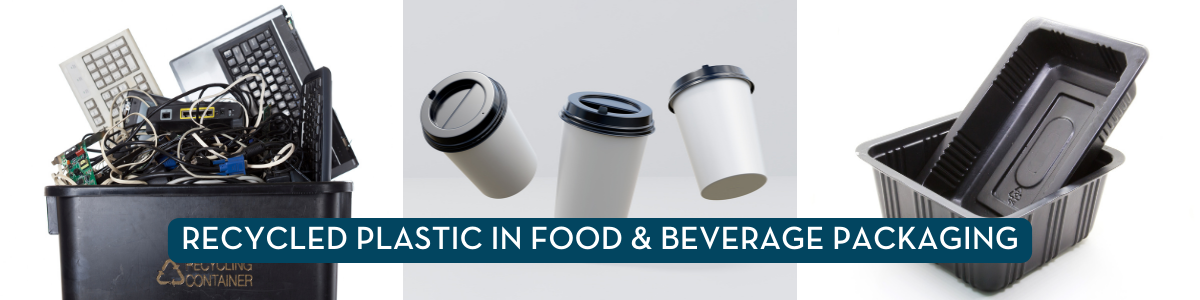
Non-food-grade plastics (e.g., electronics, medical, or industrial items; glues and adhesives) that may contaminate the recycling stream.
SAFETY CONCERNS
Studies show that most plastic produced in the U.S. and Canada is not safe to be recycled into food-grade products. Several studies have found that as the amount of recycled content increases, the amount of toxic chemicals also goes up, including:
Volatile organic compounds (VOCs): Airborne toxic chemicals associated with difficulty breathing, nervous system damage, and cancer.
A study identified 524 VOCs in recycled plastic, compared to only 461 VOCs in virgin plastics.
Bisphenol A (BPA): A chemical that disrupts hormone systems that can lead to fertility and growth issues, cancers, diabetes, and obesity.
One study found significantly more BPA in recycled PET plastic than virgin PET plastic.
Phthalates: Chemicals that disrupt hormone systems that can lead to fertility and growth issues, cancers, diabetes, and obesity.
A 2025 study found that plastic with more recycled content had significantly more of certain phthalates, particularly DBP and DMP.
Benzene: A cancer-causing chemical, particularly linked to blood cell cancers like leukemia.
A 2025 study found benzene in recycled, but not virgin, plastic bottles. Benzene is likely formed during the recycling process due to a combination of heat and contamination with PVC plastic.
HARD-TO-TRACK CONTENTS OF RECYCLED PLASTIC
Recycled materials often come from multiple, mixed, and unknown sources. Even with rules on food-contact plastics, studies have found non-food grade plastics contaminating recycled products in the U.S., South Korea, and Europe. Black plastic kitchen utensils, for example, have been found to contain toxic flame retardants, likely from recycled electronic waste.
CURRENT REGULATIONS
In the U.S., recycled plastics with food contact are regulated by the Food and Drug Administration (FDA). The FDA can issue a “Letter of No Objection” (LNO), which states it has no objections to the use of specific recycled plastics in food packaging. However, these letters are voluntary and rely on the company’s own test data. This approval process is very lax, and the FDA is more focused on pathogen contamination than chemicals.
For instance, Coca-Cola Co. contacted the FDA with requests to use recycled PET in 1992 and 1993. They likely submitted their own data, and the FDA approved the request without any independent testing or analysis of health risks. Some manufacturers requesting LNOs are major petrochemical companies such as Eastman Chemicals, DuPont, and Indorama, as well as lesser-known packaging manufacturers. From the FDA process, we cannot tell who is purchasing these recycled packages, but we know that many popular brands are using this type of packaging.
As the push for more recycled packaging increases, the number of LNOs has also increased significantly over the past few years, despite growing concerns over chemical safety: There were an average of 7-8 approvals each year through 2019, but over 50 in 2024 alone.
WHAT IS THE BEST SOLUTION?
The safest and most effective way to reduce plastic pollution and protect public health is to move away from plastic food packaging. Proven solutions include:
Adopting systems that allow us to reuse non-plastic packaging and reduce our need for single-use packaging;
Using non-toxic materials, such as glass and stainless steel; and
Adopting new policies that reduce plastic production and protect public health.