“Recycle” By Mail Is Not the Solution You Think It Is
Many of us have struggled with the problem of what to do with so-called “hard-to-recycle” plastics like candy wrappers, chip bags, and air-filled plastic cushioning (like Bubble Wrap). To solve this problem, for-profit companies like Trenton, NJ-based TerraCycle and Seattle, WA-based Ridwell encourage people to mail their plastic waste to them and they will “recycle” it. Most of these mail-back programs require a fee to participate. TerraCycle’s stated mission is “eliminating the idea of waste,” and it “guarantees recycling.” Ridwell’s website states it can help us “create a brighter future” and that it has “a responsibility to push the boundaries of what industry looks like today.” Sounds rather promising — but is it really?

At first glance, collecting and mailing back “hard-to-recycle” plastic packaging may seem like a good solution. Isn’t it better to do something with plastic packaging than to simply discard it? That’s exactly what “recycle”-by-mail companies are counting on: consumers and businesses that eagerly sign up for their programs because they feel badly about the waste. Unfortunately, these programs are just another distraction from the real issue: plastic packaging that is not designed with sustainable disposal, recycling, reuse or taxpayer costs in mind.
Here’s what you should know:
The mail-back approach does nothing to reduce plastic production, nor does it incentivize companies to design more-sustainable packaging. In fact, it does the opposite by creating an illusion that plastic can be recycled.
There are very few environmentally friendly, sustainable solutions for recycling plastic waste.
Recycling plastic is really “downcycling” — making a plastic product into a product of lesser value — and, since plastic quality deteriorates during the process, it can typically only be done once or twice.
Downcycling plastic waste into building material like decking only exacerbates the pollution problem. Exposure to natural elements like sunlight and rain accelerates the shedding of microplastics and chemicals into the environment; the resulting products are also particularly hazardous during wildfires.
Trucking toxic plastic trash long distances for the promise of downcycling is not sustainable.
Plastic is “hard-to-recycle” for a reason: various plastics contain endless combinations of polymers, colors, and more than 16,000 different chemicals, making it all impossible to sort.
Plastic is also not economically feasible to recycle since virgin plastic is very inexpensive and available in abundant supply.
It’s also important to remember that many product companies have pledged to make their packaging reusable, truly recyclable, or compostable by a stated future date. Many of these target dates have already passed and companies are lagging behind. Consumers who use third-party mail-back programs to “recycle” are essentially rewarding these lagging companies for not meeting their sustainability commitments and are giving them a “pass” instead of a “fail.”
Companies like TerraCycle and Ridwell collect “hard-to-recycle” plastics and send them for reprocessing (“downcycling”) to mostly small-scale companies. As more people sign up for these mail-back programs, the demand for new plastic grows and plastic production continues, worsening the plastic pollution crisis.
Per a July 2025 NPR California segment, a journalist visited a Ridwell warehouse overwhelmed with a 15-foot-high mountain of plastic materials. He described the company as appealing to “eco-conscious, somewhat guilt-ridden consumers who want to have their cake and recycle its packaging too.” The Ridwell executive at the overflowing warehouse admitted the facility is running out of space, saying “stuff piles up” because “partners aren’t always predictable.” Of course, these warehouses also may pose a dangerous fire risk to local communities.
What do Popular Mail-back Programs Cost and How Transparent Are They?
TerraCycle has a number of different mail-back programs targeted at businesses as well as consumers:
Free consumer program featuring brand-specific, mail-back envelopes ranging from dog-food packaging to coffee pods and offering consumers a complimentary envelope to send their plastic packaging waste back to the brand directly. In exchange, the brand displays the TerraCycle logo on its packaging. It’s unclear what the brands actually do with the waste that is sent back; many brands have dropped in and out of the program over time.
Paid consumer program ranging from $30 bags for balloons and $100 for candy wrappers to a whopping $241 for the TerraCycle “All in One” plastic box.
Business program ranging from $660 for cigarettes to nearly $2,800 for items like kitchen single-use plastics and PVC gloves.
Terracycle was the subject of a trash export scandal when independent film producers tracked more than 20 TerraCycle bales that were sent for "recycling" in the UK but instead ended up next to a trash incinerator in Bulgaria.
Terracycle added $800,000 in new investments in 2024 and its 2021 annual report listed profits of nearly 22 million dollars.
Transparency: TerraCycle does not disclose its recycling partners and has not publicly released figures for either its collection or recycling rates.
Ridwell offers consumers a “door-to-door” pickup program in certain towns, and in 2025 the company added a mail-back program:
Door-to-door subscriptions starting at $20 per month, limited to specific cities. Plastic items vary from city to city and range from plastic foam to clamshells and air-filled plastic cushioning (e.g., Bubble Wrap) mailers.
The mail-back program starting at $30 with additional bags for purchase at approximately $9; plastic items range from plastic bags to snack wrappers.
Ridwell’s recently launched mail-back program claims to have added 130,000 additional customers and, per their recent SEC filing, they've added $15M in new investments.
Transparency: Ridwell lists its recycling partners on its website; however, the company no longer refers to them as “local partners,” and they’re no longer listed under each city that Ridwell services. Instead, the recycling partners are listed by material. Ridwell’s website makes claims regarding the percentage of each material that is “recycled,” but customer-facing, detailed auditing reports have not been made available to date.
Mail-Back Programs Are NOT the Solution to Plastic Waste
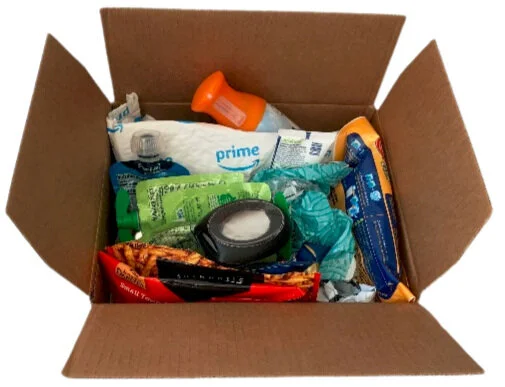
Plastic mail-back programs are still not widely used; however, they are continuing to grow. If they scale up to collect very large amounts of plastic waste, these programs would have significant climate impacts that outweigh the meager, debatable benefits of downcycling the plastic products into picnic tables or building blocks. Trucking cardboard boxes or plastic envelopes/bags full of used plastic products or textiles many miles across the country to sorting warehouses generates significant carbon emissions and packaging waste. There are additional environmental impacts (e.g., more carbon emissions, more material waste) of further transporting collected materials around the country coupled with the downcycling of poorly designed products that are cause for concern.
Instead of participating in these harmful, misleading programs masquerading as real solutions, companies should focus on creating reusable products and adopting local refill programs. If that is not possible, they should redesign their products using sustainable materials that are truly recyclable through existing curbside recycling that does not require a large amount of truck miles, shipping boxes and plastic bags. Life cycle assessments (LCAs) that calculate the environmental advantages of product recycling are based on curbside collection and local processing within a few hundred miles.
By paying to recycle plastic waste via mail-back programs, consumers are inadvertently exacerbating the problem we need to solve. A truly sustainable approach requires a major shift in companies prioritizing environmental impact when designing and packaging their products. The real solutions to combat plastic waste are to reduce plastic consumption, demand better product design, and put local policies in place that require companies to comply.
When it comes to plastic, less is best.