

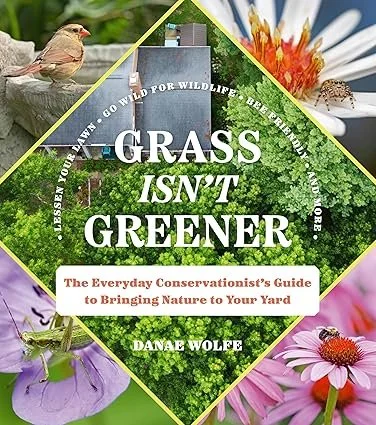
Grass Isn’t Greener: The Everyday Conservationist's Guide to Bringing Nature to Your Yard
This book offers lots of great ideas about making your yard more nature- and bird-friendly, with some very practical tips, including how to reduce the monoculture of lawns, and how to choose the right native plants for your region. —Ray B. in Boston, MA
Change Starts Now:
Inspired by her own successes and failures, Melati Wijsen takes you on her journey of becoming a changemaker and the 100 lessons she learned along the way. Change Starts Now shares an insight into what it was like for a 12-year-old girl growing up in the movement, and how anyone, anywhere, no matter their age, can get involved, too.
Year of No Garbage: Recycling Lies, Plastic Problems, and One Woman's Trashy Journey to Zero Waste
In this book Eve O. Schaub, humorist and stunt memoirist extraordinaire, tackles her most difficult challenge to date: garbage. Convincing her husband and two daughters to go along with her, Schaub attempts the seemingly impossible: living in the modern world without creating any trash at all. For an entire year. And- as it turns out- during a pandemic. —Recommended by Cindy in Cornish, NH
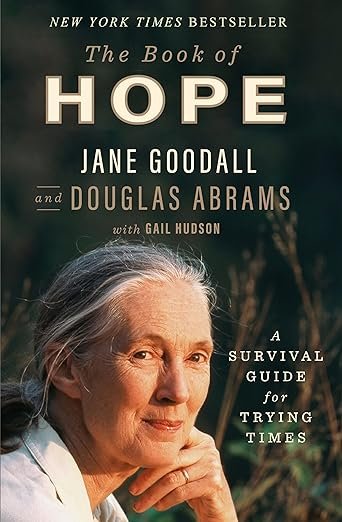
The Book of Hope: A Survival Guide for Trying Times
Drawing on decades of work that has helped expand our understanding of what it means to be human and what we all need to do to help build a better world, The Book of Hope touches on vital questions, including: How do we stay hopeful when everything seems hopeless? How do we cultivate hope in our children? What is the relationship between hope and action? Filled with moving and inspirational stories and photographs from Jane’s remarkable career, The Book of Hope is a deeply personal conversation with one of the most beloved figures in the world today. —Recommended by Cindy in Cornish, NH
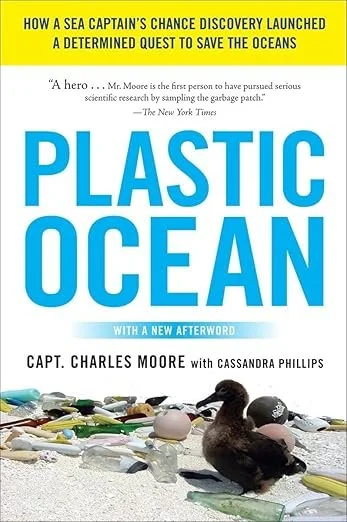
Plastic Ocean: How a Sea Captain's Chance Discovery Launched a Determined Quest to Save the Oceans
The book describes in a fascinating way how the discovery in 1997 lead Charles Moore to speak out about plastic pollution in the ocean. However, the plastic dumped in the ocean has only increased. The book concludes with an urgent call to action. He describes how this man-made environmental catastrophe is causing infertility, autism, thyroid dysfunction, and cancers. —Jane in North Chatham, NY
The researcher who discovered the Great Pacific Garbage Patch--and remains one of today's key advocates for plastic pollution awareness--inspires a fundamental rethinking of the modern Plastic Age. —Gina in Woodstock, IL
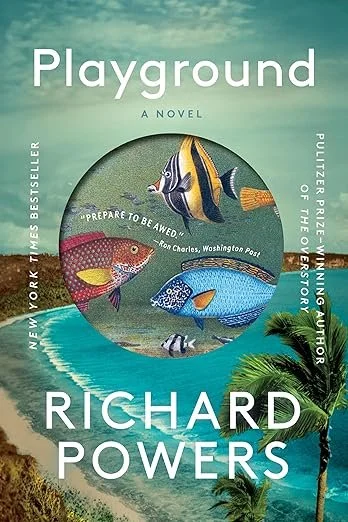
Playground
This book describes several moral dilemmas, such as using personal data for profit and exploiting natural resources in order to afford healthcare. The characters are multi-faceted and the use of AI figures in. Such an engaging and thoughtfully written book! —Sandra in Fort Worth, TX
This book touches on the perils of plastics and discusses the magnificence of the ocean and its inhabitants. —Rosanne in Latham, NY
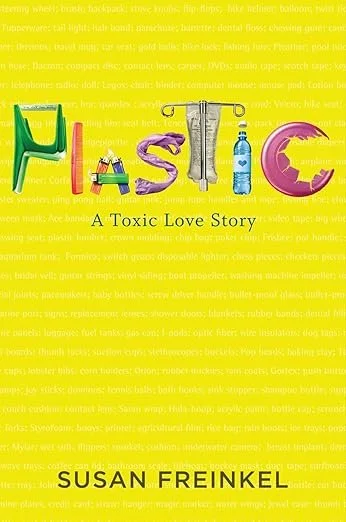
Plastic: A Toxic Love Story
This book opened my mind as a middle schooler, It's how I learned about the bottle bill, and the history of how plastic came to be so popular. I was fascinated diving into the niche aspects of it, like learning all about combs and chairs and how plastic made consumerism what it is today. It turned normal mundane plastic things that hardly anyone thinks about into items with fascinating histories and backstories that shed light on the implications of plastic for our society. Overall, a great read (and, it doesn't need to be read cover to cover. You can pick and choose sections that interest you). Highly recommend. —Maya Y in Falmouth, ME
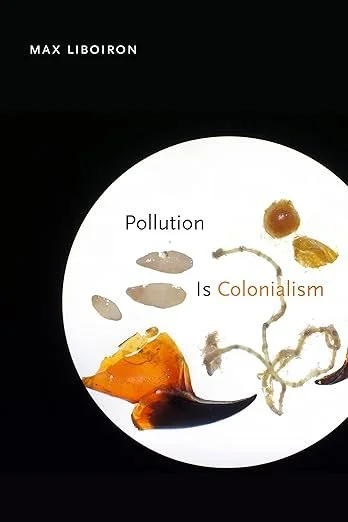
Pollution Is Colonialism
Pollution is Colonialism completely shifted how I think about environmental harm—not just as a scientific issue, but as a political and colonial one. It made me question who gets to define what counts as pollution, and why. —Sam in Wilmington, NC
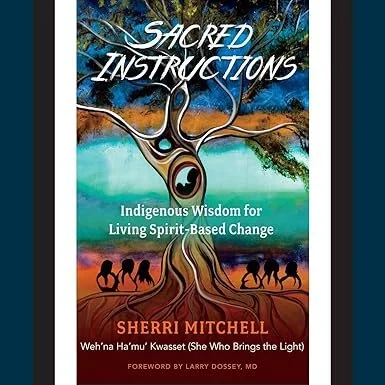
Sacred Instructions: Indigenous Wisdom for Living Spirit-Based Change
Native American attorney, teacher, activist and change-maker, Sherri Mitchell speaks about how Conquest Activism does not serve us. How much of our activism has been to topple one system and replace with another. This practice perpetuates the cycle of domination and does nothing to help us achieve our broader goal of creating unity within our movements. —Jackie in Aguadilla, Puerto Rico
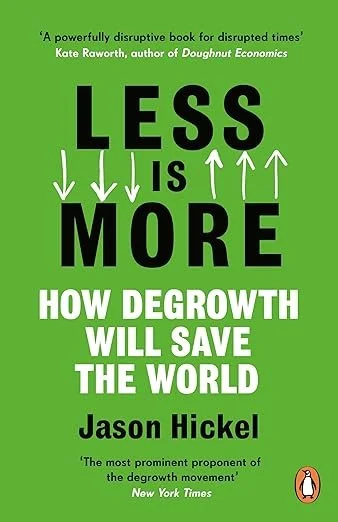
Less Is More: How Degrowth Will Save The World
I read this book last year, and it totally shifted my perspective on our economic system. I went from having a vague sense that it could be better, but no understanding of why or how, to seeing what parts of Capitalism are problematic, where they come from and how they fit into the economic system as a whole. I did find the start a bit depressing - it was a summary of our environmental context as of a few years ago when the book was written. After that it gets more positive, and I found it quite inspiring. —Marie-Claire in Queenstown, New Zealand
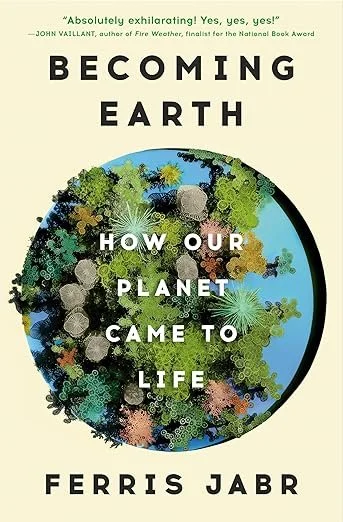
Becoming Earth: How Our Planet Came to Life
This book brings to life all the amazing things that make our planet unique. It includes a chapter on plastic pollution which may be of special interest to this group. A love story about our collective mother. —Yulia R. in Dover, NH
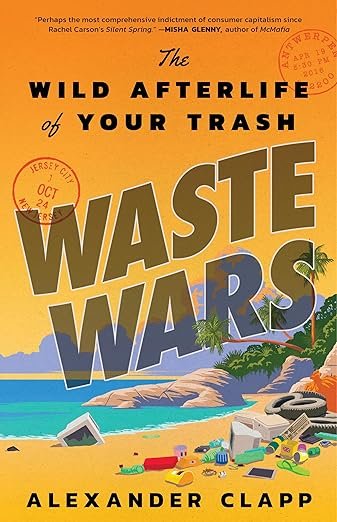
Waste Wars: The Wild Afterlife of Your Trash
Waste Wars is a jaw-dropping exposé of how and why, for the last forty years, our garbage — the stuff we deem so worthless we think nothing of throwing it away — has spawned a massive, globe-spanning, multi-billion-dollar economy, one that offloads our consumption footprints onto distant continents, pristine landscapes, and unsuspecting populations. If the handling of our trash reveals deeper truths about our Western society, what does the globalized business of garbage say about our world today? And what does it say about us?
Recommended by Alex in Brattleboro, VT, Dave in Brookline, MA, Bob in Naples, FL, Patricia in Cincinnati, OH and Amanda in Viroqua, WI
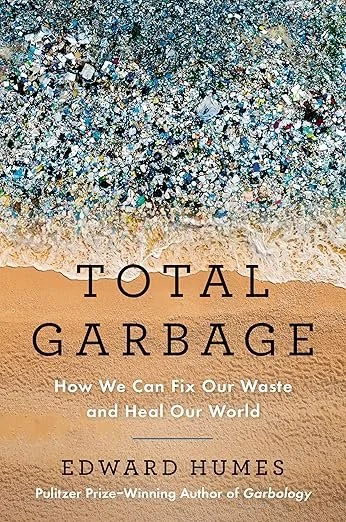
Total Garbage: How We Can Fix Our Waste and Heal Our World
I love that this book not only describes our society’s terrible excessive waste problem, but also presents real-life actions that are making an impact. —Susan in Williamstown, MA
How we can fix our waste and heal our world.’ This is an entertaining book that opened my eyes to the various forms of waste and the creative and inspiring ways that people are trying to problem solve. —Peter in Richmond, KY
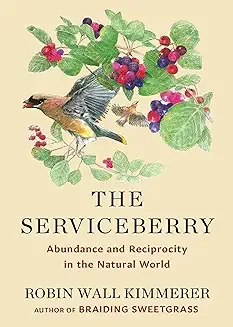
The Serviceberry: Abundance and Reciprocity in the Natural World
A short book, almost an essay by this wonderful author, she delves into topics broached in Braiding Sweetgrass in more depth. How we can learn from nature and Native American culture and base our motives an exchange economy based on need instead of greed. Beautifully written like her other writing, I would actually suggest this as an audio book as her voice is as soothing as the concepts she presents. —Lynn in Cape May, NJ
This small book builds on Robin Kimmerer's other works, inviting us to consider the web of relationships that surround us. She uses as her primary metaphor the gracious serviceberry showing us how it can teach us to move toward an active lifestyle of reciprocity and gift giving in society. —Tom in Minneapolis, MN
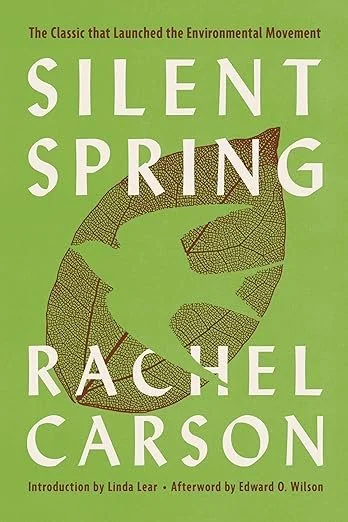
Silent Spring
I am reading Silent Spring for the third time. I was struck this time by the parallels between her discovery of the horror of pesticides and what we have been learning about plastics. The information conveyed is vivid and provides prospective on what we are facing. Her writing is clear and rich with conviction and insight.
—Recommended by two Beyond Plastics members, Donald in Oro Valley, AZ and Patti in Marquette, MI
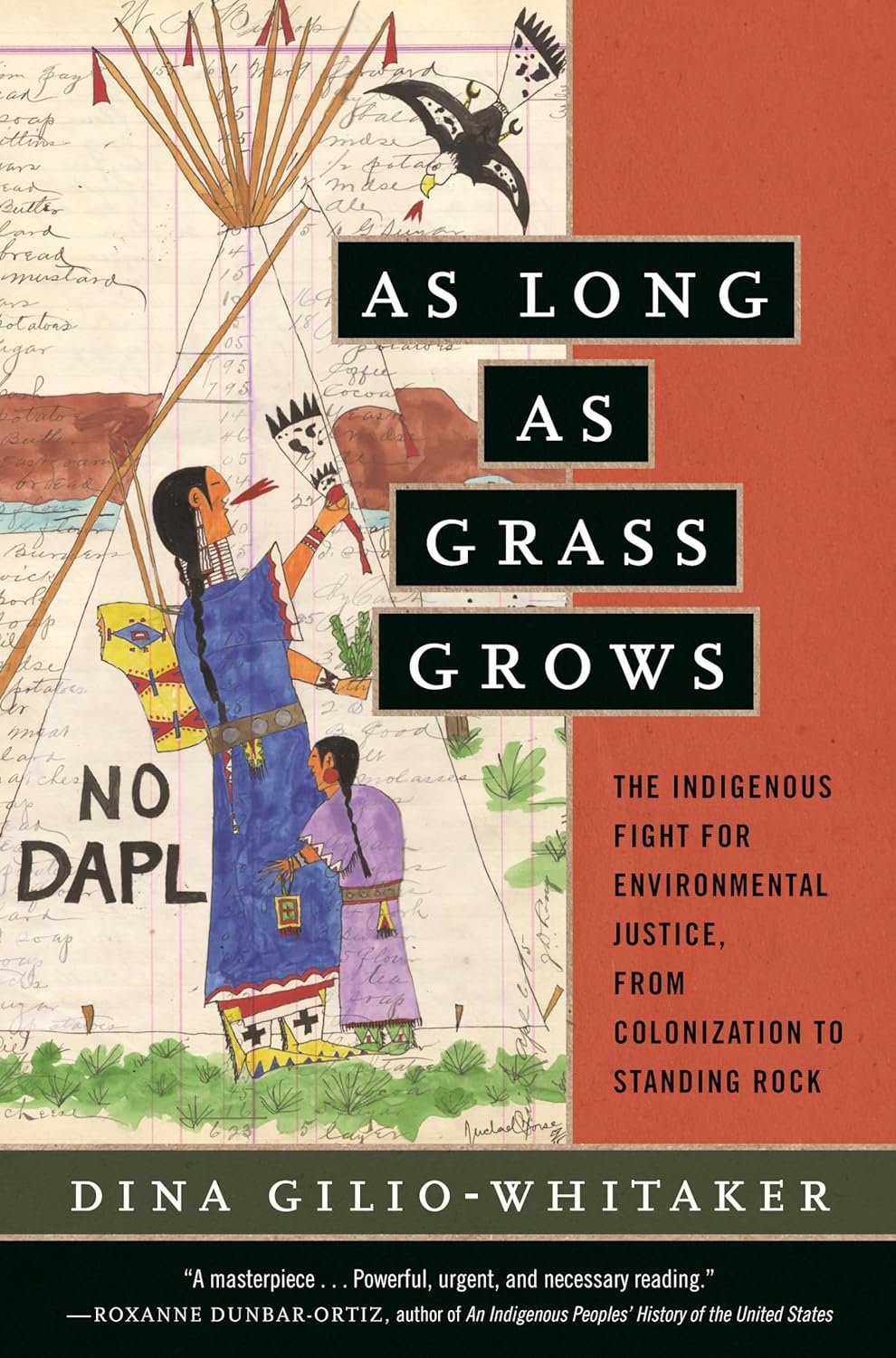
As Long as Grass Grows: The Indigenous Fight for Environmental Justice, from Colonization to Standing Rock
This book addresses environmental justice from a perspective in some ways different from that of the previous two books: impacts on a different demographic and in a broader variety of ways- but one commonality—involuntary imposition of adverse environmental impacts on their health and that of their sacred ecosytems. Described in some detail is the Standing Rock protest, beginning in 2016, which included the local Standing Rock Sioux tribe and thousands of Native American supporters from across North America setting up camps to try and block the oil project, arguing that the project threatens sacred native lands and could contaminate their water supply from the Missouri river, which is the longest river in North America. The 1,200 mile-long Dakota Access pipeline (DAPL) is a $3.7 billion project that would transport crude oil from the Bakken oil field in North Dakota to a refinery to Patoka, Illinois, near Chicago. Protests, confrontations with law enforcement, many lawsuits, and presidential administrations’ holds on construction delayed but, unfortunately, did not prevent its completion. —Penny F. in Charlottesville, VA
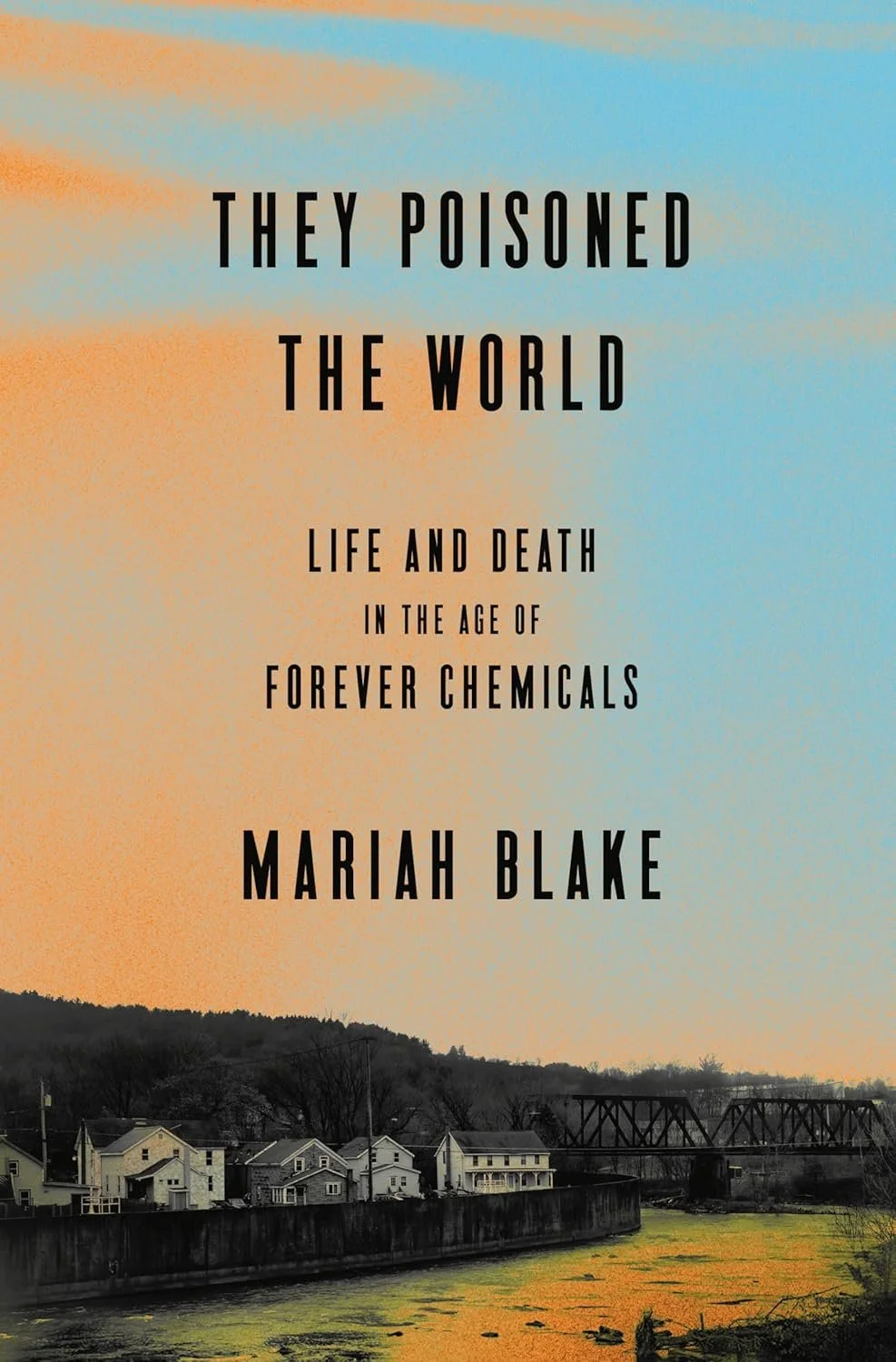
They Poisoned the World: Life and Death in the Age of Forever Chemicals
This book examines all the way back to the 1930s-40s and demonstrates that the battle between corporate profits and the public interest is eons old. We’ve been misled by DuPont, 3M, Dow and other massive chemical companies for nearly a hundred years now. —Margaret Y. in Chester, MD