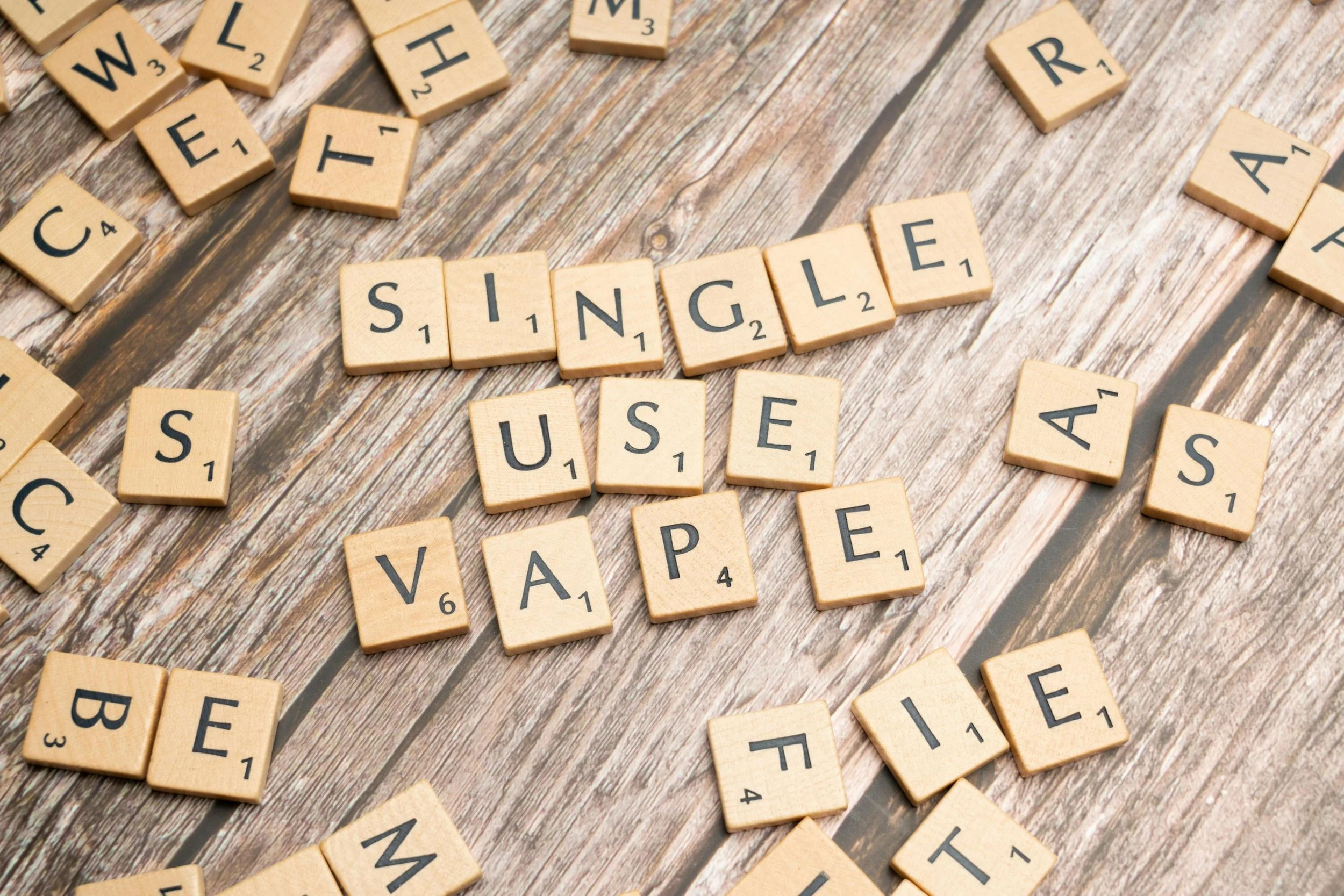
Single-Use Vapes Are a New Major Source of Plastic Pollution
Discarded e-cigarettes represent a complex, fast-growing plastic pollution problem. They combine single-use plastics, hazardous chemical waste, and electronic waste into one problematic device. Data show a severe lack of public awareness about safe disposal: a Truth Initiative survey found that 51% of users aged 15–24 throw devices straight into standard trash cans, 17% put them in household recycling, and only 15% use electronic recycling facilities.

What We Know About Plastic and Dogs
From chew toys and kibble to beds, treats, food bowls, and even the dust on your floor, plastic is part of nearly every dog's daily life.
Plastics can contain a wide range of toxic chemicals that are linked to reproductive, developmental, neurological, and cancer-related effects.1 These chemicals can migrate or leach out of plastic products over time. Plastic can also shed tiny particles of plastics known as microplastics, that carry these chemicals and create another potential route of exposure.

Bottle Caps Should Be ATTACHED To Reduce Plastic Pollution and Litter
Bottle caps are a source of plastic pollution that can be easily avoided. How? By requiring bottle caps to be ATTACHED to the bottles as the European Union has recently mandated. Learn more.

Plastics Have Infiltrated the Human Brain
Micro- and nanoplastics can enter the human body through the mouth, nose, and skin. From there, these particles can travel via the bloodstream to any organ in the body, including the brain. Learn more about the negative impacts these plastic shards have on the brain.

Plastics in Building Materials & Products
Building materials are a significant and growing sector of plastic use. Globally, building and construction is the second-highest-use sector for plastics. Unfortunately, plastic building materials threaten environmental and human health throughout their life cycles.
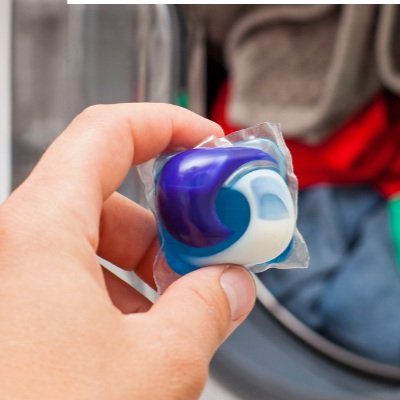
Detergent Pods & Sheets Made with PVA Are PLASTIC
Polyvinyl Alcohol (more commonly known as PVA) is a synthetic, petroleum-based plastic polymer that is used as a film wrap for laundry and dishwasher detergent pods, and in the material used in laundry detergent sheets. Learn more about its potential health and environmental impacts and existing alternatives.
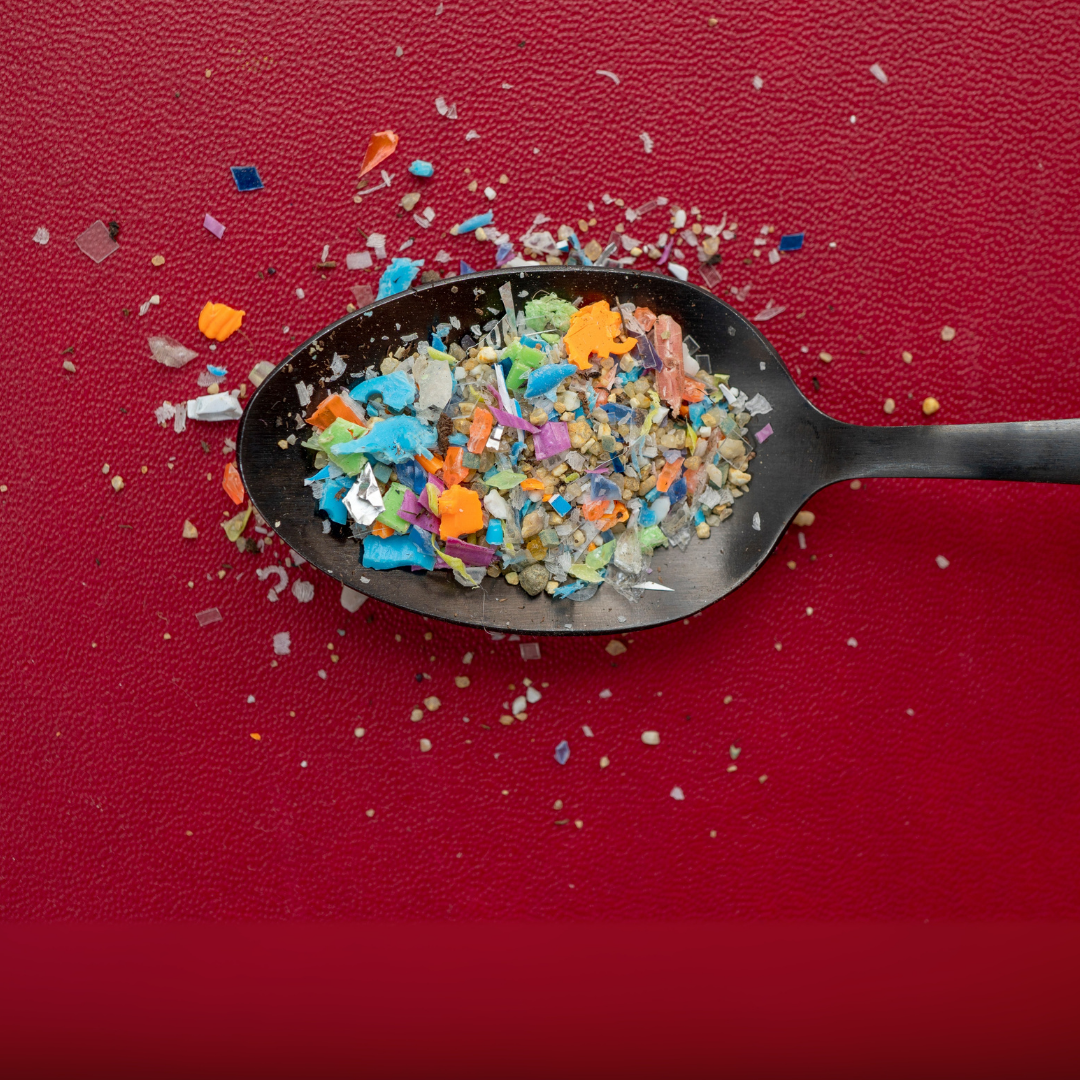
Reduce Your Exposure to Microplastics
Microplastics are tiny pieces of plastic that are found everywhere — in our oceans, lakes, streams, drinking water, soil, plants, fish, sea birds, most foods we eat, in the air, and in all of our bodies. Data is emerging that links these particles with a host of health harms. Learn how to reduce your exposure.
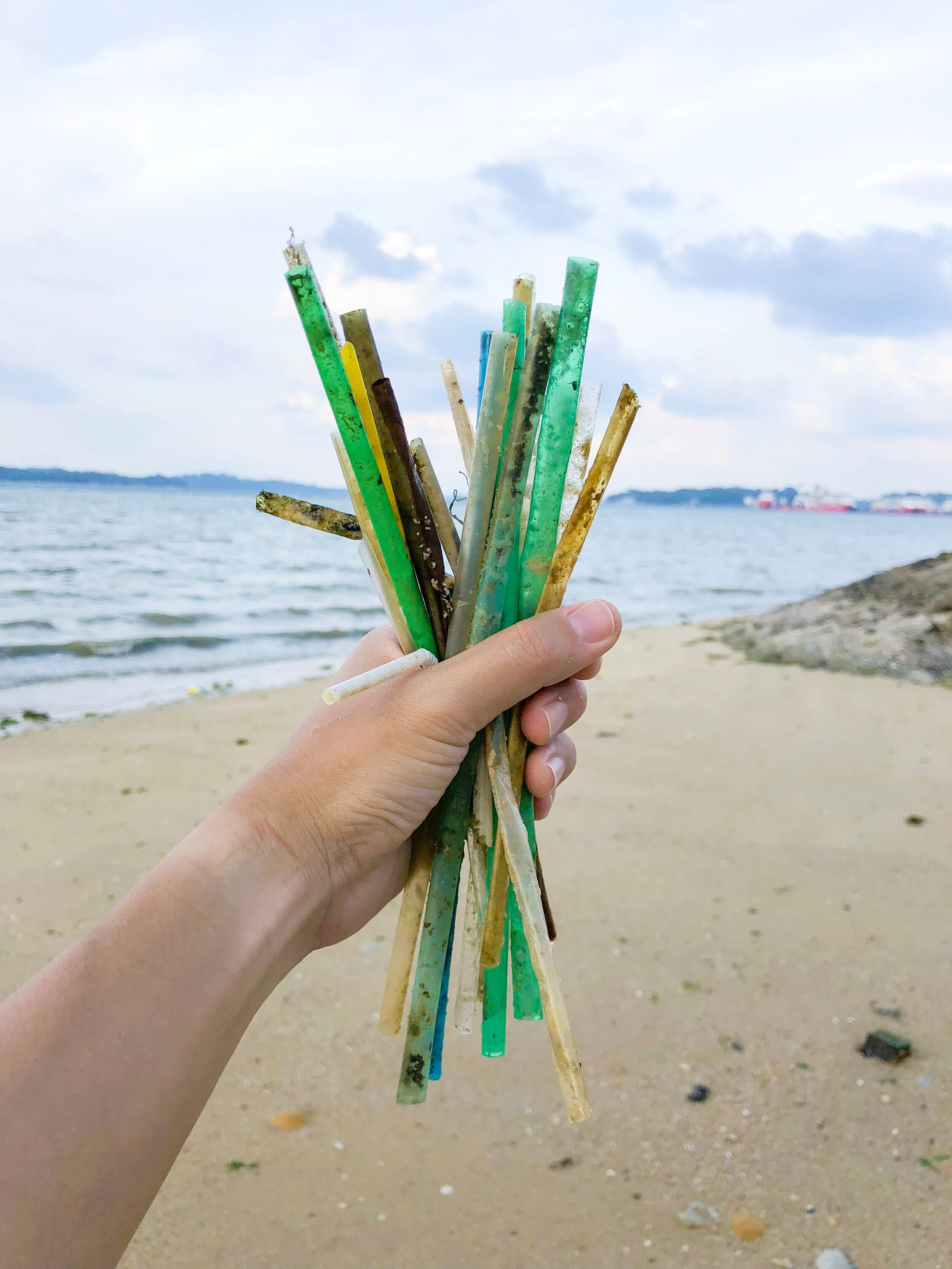
Single-Use Plastic Straws
Plastic straws may be small but they’re a BIG problem — Americans use millions of plastic straws each day. These straws are not recyclable so they end up in landfills and incinerators as well as littered in our environment where they may persist for hundreds of years. But you can help!

Microplastic Pollution In Tea
Plastic tea bags and hot water are a BAD combination for your health. Learn more about how you can avoid this source of microplastics pollution in your daily cup of tea and urge tea companies to replace plastic tea bags with paper or good old bulk loose, leaf tea.
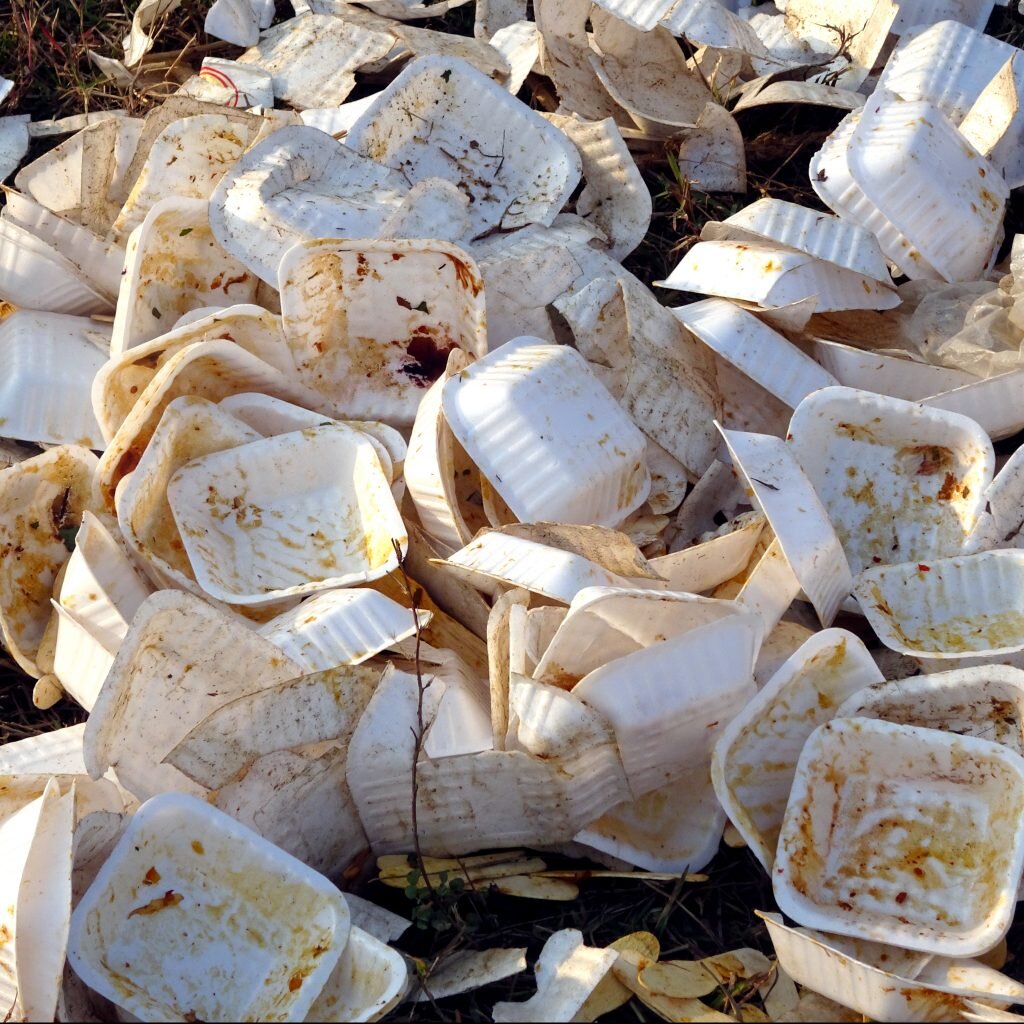
The Problems with Expanded Polystyrene (a.k.a. EPS or Plastic Foam)
Toxins in polystyrene readily leach into food an drinks, a process that is accelerated by heat and contact with fatty and acidic foods. And polystyrene can persist in the environment for more than 1 MILLION YEARS. With Americans using 25 billion polystyrene cups per year and plastic-free, non-toxic alternatives readily available, it’s time for a change.
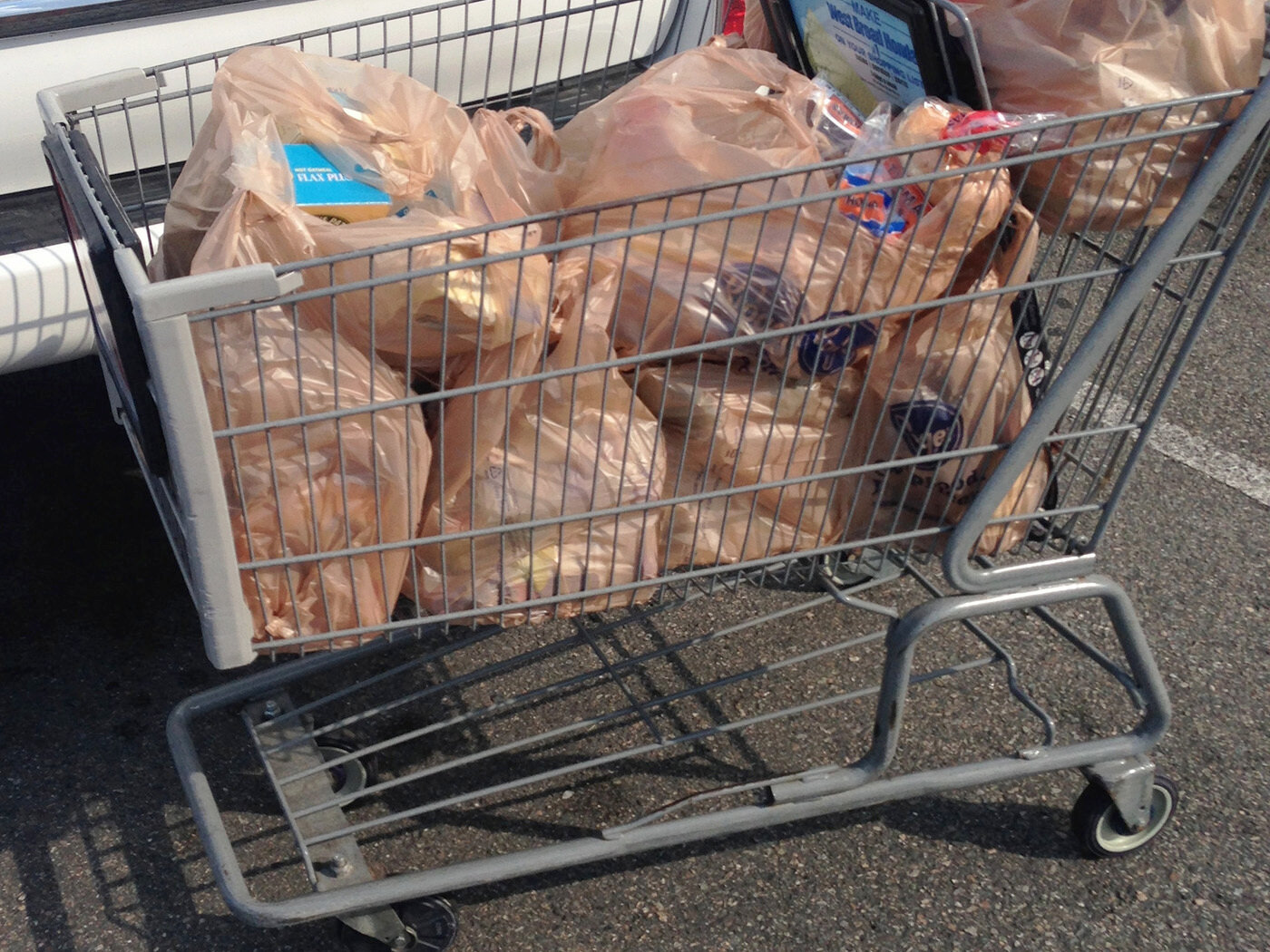
Single-Use Plastic Bags
Plastic bags are used for an average of 12 minutes but can last for more than 500 years, polluting our environment and endangering wildlife. Find out how you can help pass laws to ban them and encourage the use of reusable bags.
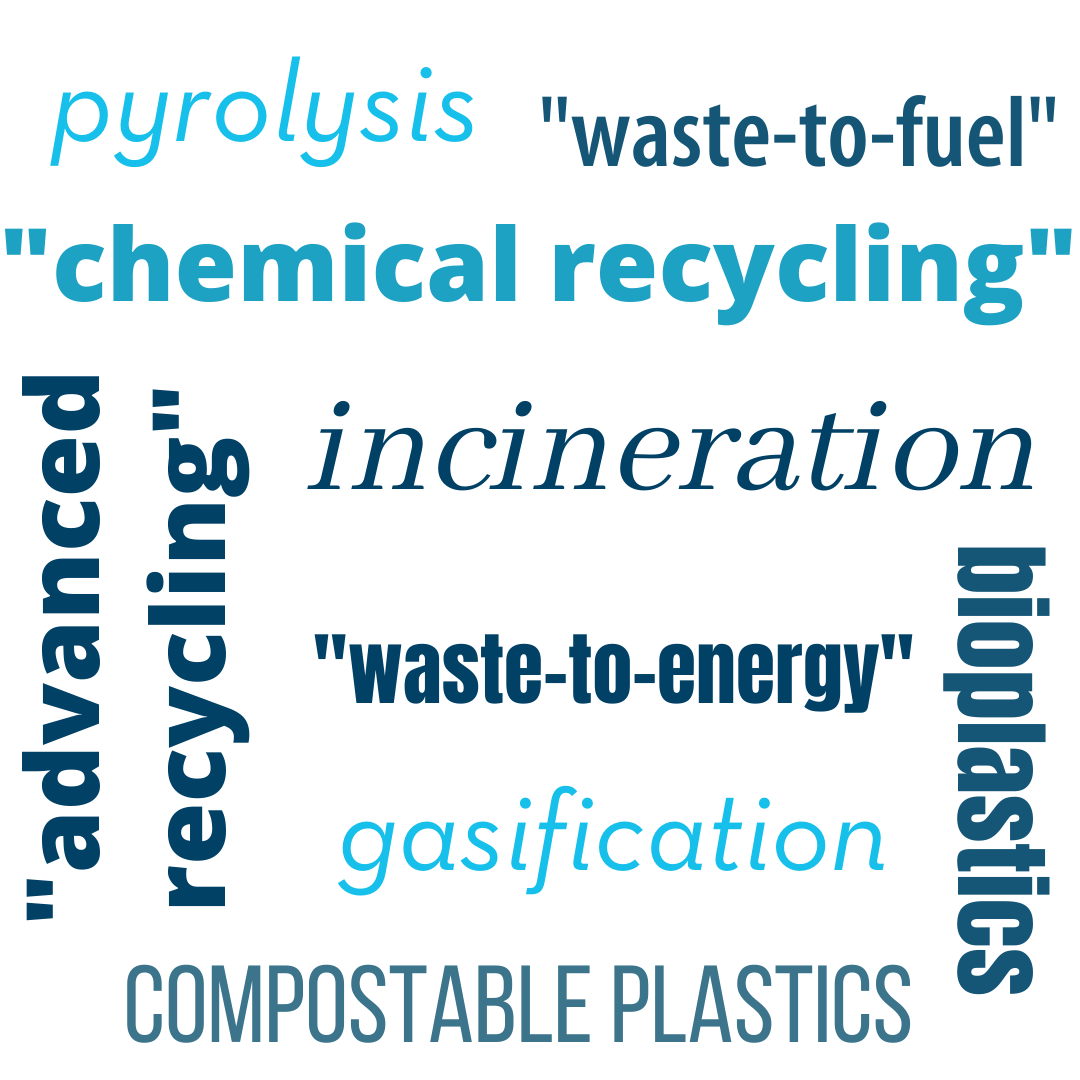
False Solutions to Plastic Pollution
As the global plastic pollution crisis continues to grow, so does plastics industry hype promoting false solutions — techno “fixes” including waste-to-energy incineration and chemical processing of plastic waste. We need to expose and reject these false solutions.