
Welcome to the Beyond Plastics Book Club! We invite you to browse the books recommended by our staff below to see if anything piques your interest. We’ve topped the list with a number of wonderful books for kids in case you have any young ones in your life.
If possible, we recommend buying books from your local independent book store or from a used bookseller.
What’s on your bookshelf, bedside table, or digital reader these days? If you have a recommendation for a particularly eye-opening, inspiring, or entertaining read, please complete this short form to share it with us. Please make sure to share just one book per form entry, though you’re welcome to make multiple entries!
BOOKS FOR KIDS
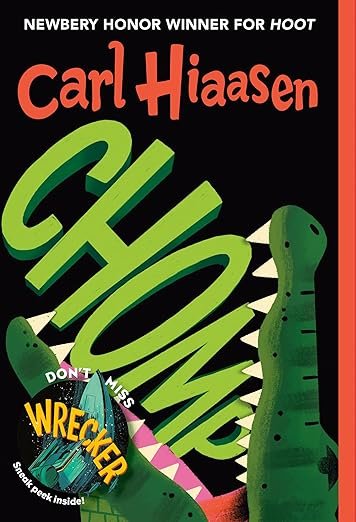
This is a great book about the environment and how we can change it for better or worse! Chomp, Hoot, Flush, Scat, and Wrecker are all part of a fun kids’ series set in Florida. —Sierra in Beaufort, SC
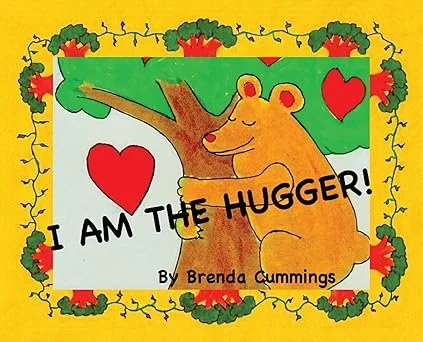
Entertaining, funny and informative book for children about trees and what they do for us humans and for the earth. “A funny and factual look at the carbon/oxygen cycle, trees, and why we need more of them.” Beautifully illustrated by the author, who performed and collaborated with the children’s theater company The Paper Bag Players, and has worked with environmental commissions and green teams, educating children and grownups about environmental issues through programming, newspaper articles, and blogs. —Nurit in Hastings on Hudson, NY
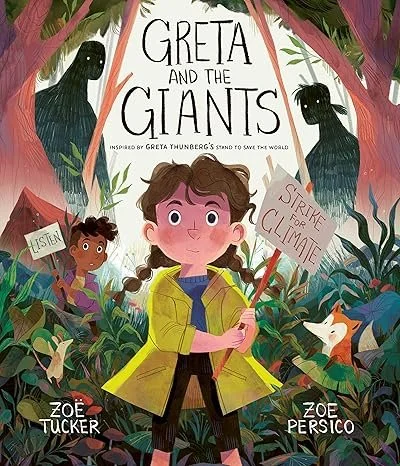
I found this children's' books to be one of my favorites to read aloud when babysitting. It shares an inspirational story on how Greta saved the world and you can, too. It is as beautifully illustrated as it is written. - Cleo in Dobbs Ferry, NY
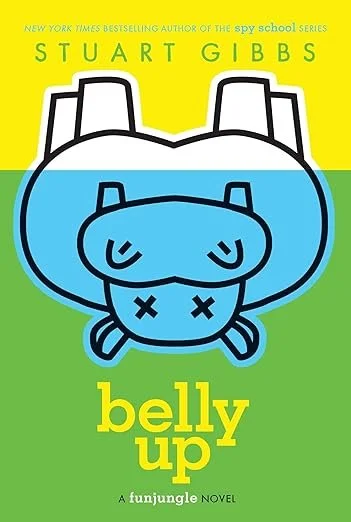
Belly Up is a cozy mystery for kids. It's set in a zoo and is part of the Fun Jungle Series that is mostly silly fun but also takes on conservation issues such as poaching and the exotic pet trade. It's the first non-graphic book that my daughter sat down and read without prompting. She's now introducing the series to her reading-hesitant friends.
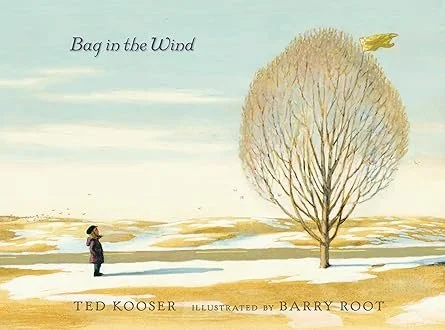
One cold morning in early spring, a bulldozer pushes a pile of garbage around a landfill and uncovers an empty plastic bag — a perfectly good bag, the color of the skin of a yellow onion, with two holes for handles — that someone has thrown away. Just then, a puff of wind lifts the rolling, flapping bag over a chain-link fence and into the lives of several townsfolk — a can-collecting girl, a homeless man, a store owner — not that all of them notice. Renowned poet Ted Kooser fashions an understated yet compassionate world full of happenstance and connection, neglect and care, all perfectly expressed in Barry Root’s tender illustrations. True to the book’s earth-friendly spirit, it is printed on paper containing 100 % recycled post-consumer waste and includes an author’s note on recycling plastic bags.
This book demonstrates the importance of sustainable practices and community solidarity in combating climate change; which gave me a deeper understanding of the challenges faced by those in vulnerable regions, and motivated me to engage more in conversations about climate resilience. - Nyah Estevez, Community Organizer
This is the first book in a truly wonderful series for kids and young adults by the acclaimed writer, Louise Erdrich. This book is a critical corollary to the popular Little House on the Prairie books, telling the story from the perspective of Omakayas, a little girl growing up in the Ojibwe nation in the mid-1800’s. Filled with details and beautifully written, they offer a much-needed counterpoint. Can’t recommend this and the other books in the series highly enough. —Eve Fox, Digital Director
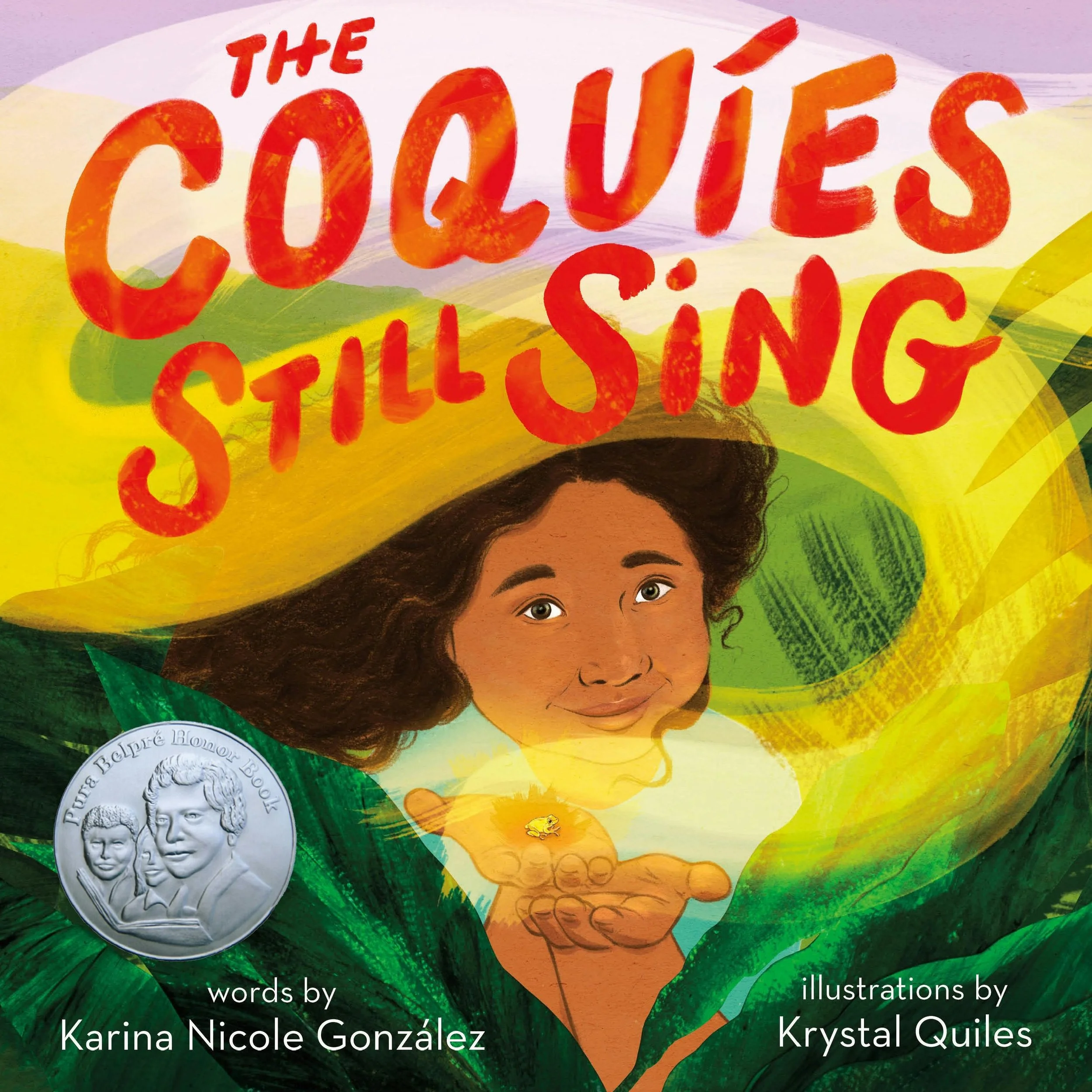
This book poetically opens kids’ minds to our dependence on clean water, the interconnectedness of all life, the role of indigenous peoples as stewards, and the expansion of the fossil fuel industry as a threat to it all. - Rev. Kathryn Beilke, Coordinator, Interfaith Partnerships
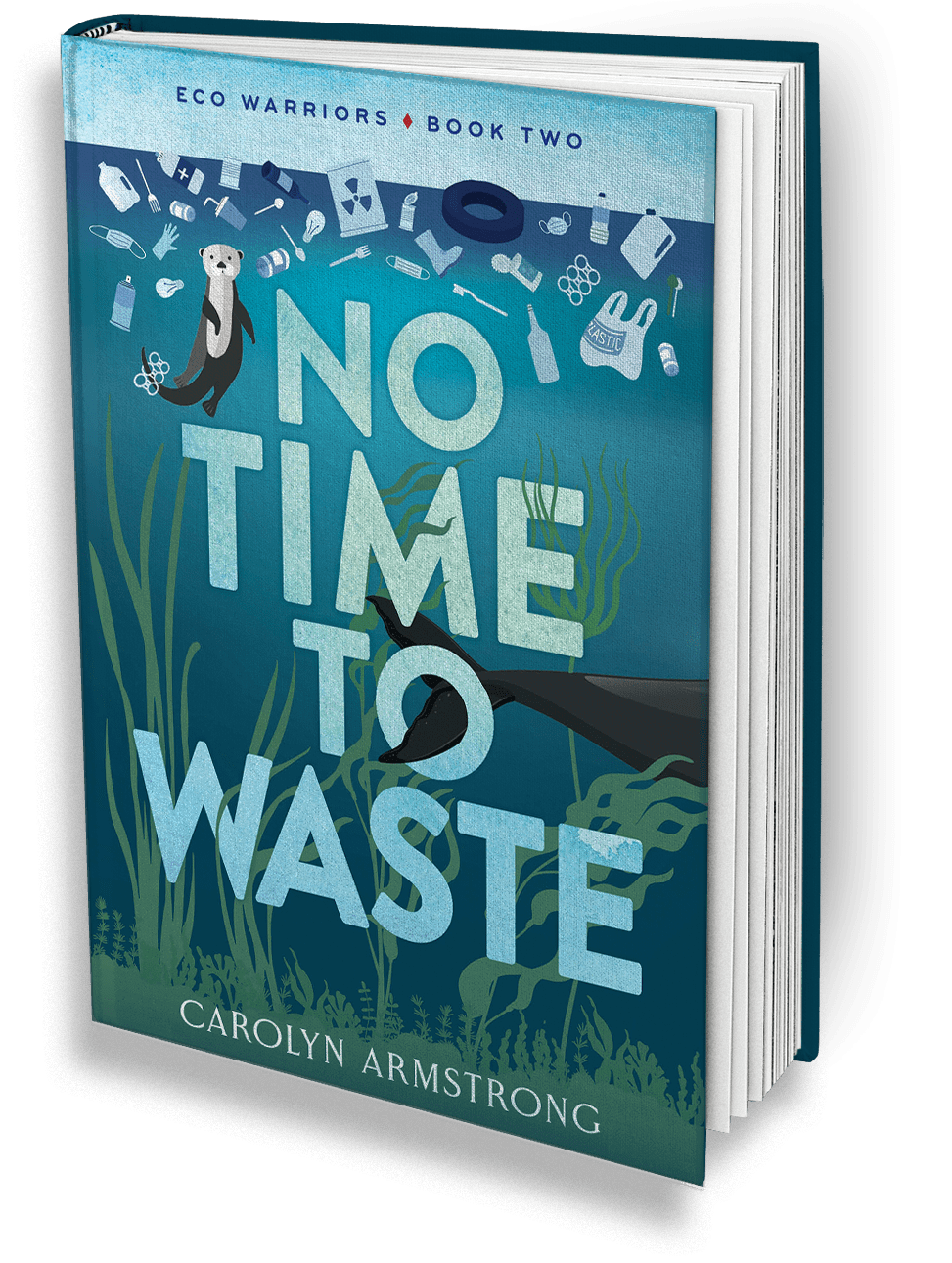
A great kids’ book about waste and our oceans and marine life for the young readers in your life. This is book two of author Carolyn Armstrong’s “Eco Warriors” Series.” -Judith Enck, President
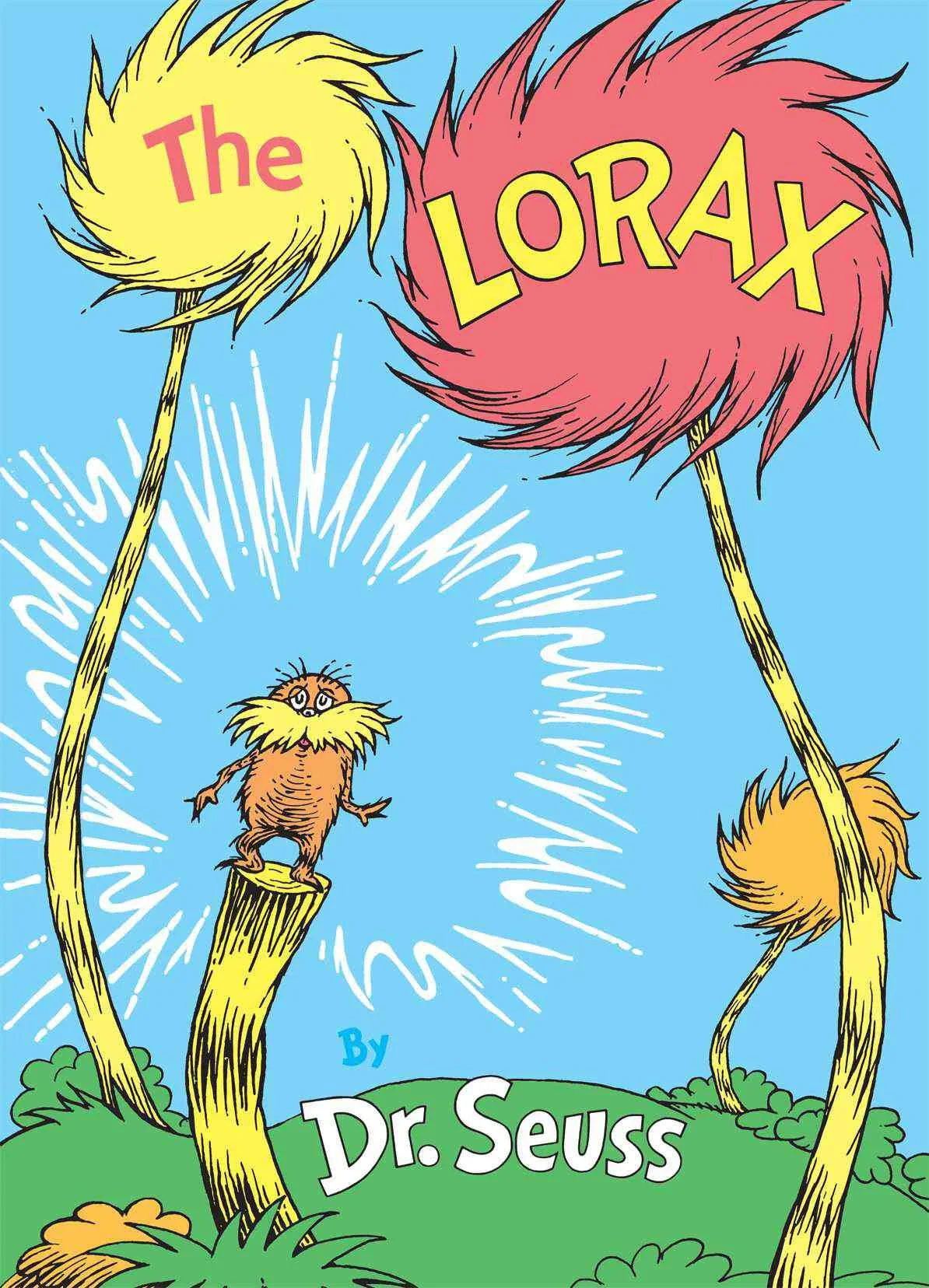
This is one of my all-time favorite gifts for young people and friends who are raising young people. I give it as a gift in lieu of a card at every baby shower. The messages about our duty to protect nature, and warning of greed and consumerism, are timeless. - Jennifer Congdon, Deputy Director
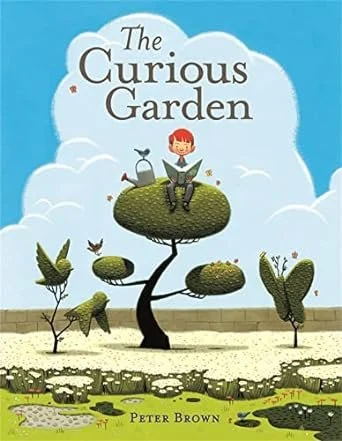
My two kids loved this book and my husband and I loved reading it to them. While out exploring a grim, colorless, industrial city, a boy named Liam discovers a small patch of deserted garden that he begins to care for. As time passes, the green begins to spread throughout the gray city, transforming it. I appreciated the message about how well nature can bounce back when humans take care of our precious planet as well as the great pictures. — Eve Fox, Digital Director
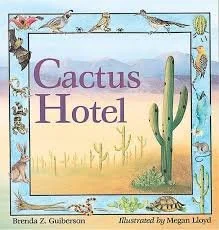
A friend introduced me to this book when my older son was born and it’s been a family favorite ever since. Using the life and death of a single saguaro cactus, the book illustrates the complexity and interdependence of the desert ecosystem. It’s beautifully illustrated and very compelling. - Eve Fox, Digital Director
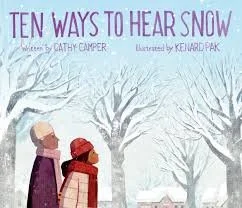
This book teaches minds young and old how to connect with nature in the winter. It encourages kids to attend to weather patterns, our response as humans and other environmental curiosities. - Jess Conard, Appalachia Director
BOOKS FOR ADULTS
Browse our summer 2025 book selections below. These fantastic reads were recommended by members of the Beyond Plastics community from all across the United States plus a few from readers in other parts of the world. Thanks to everyone who contributed.
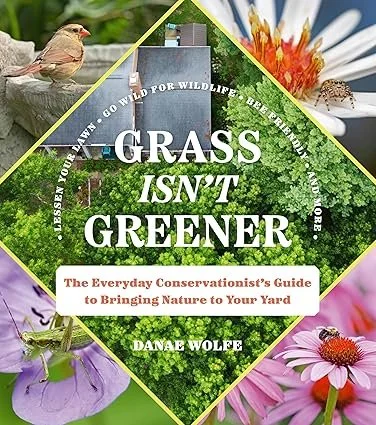
This book offers lots of great ideas about making your yard more nature- and bird-friendly, with some very practical tips, including how to reduce the monoculture of lawns, and how to choose the right native plants for your region. —Ray B. in Boston, MA
Inspired by her own successes and failures, Melati Wijsen takes you on her journey of becoming a changemaker and the 100 lessons she learned along the way. Change Starts Now shares an insight into what it was like for a 12-year-old girl growing up in the movement, and how anyone, anywhere, no matter their age, can get involved, too.
In this book Eve O. Schaub, humorist and stunt memoirist extraordinaire, tackles her most difficult challenge to date: garbage. Convincing her husband and two daughters to go along with her, Schaub attempts the seemingly impossible: living in the modern world without creating any trash at all. For an entire year. And- as it turns out- during a pandemic. —Recommended by Cindy in Cornish, NH
Drawing on decades of work that has helped expand our understanding of what it means to be human and what we all need to do to help build a better world, The Book of Hope touches on vital questions, including: How do we stay hopeful when everything seems hopeless? How do we cultivate hope in our children? What is the relationship between hope and action? Filled with moving and inspirational stories and photographs from Jane’s remarkable career, The Book of Hope is a deeply personal conversation with one of the most beloved figures in the world today. —Recommended by Cindy in Cornish, NH
The book describes in a fascinating way how the discovery in 1997 lead Charles Moore to speak out about plastic pollution in the ocean. However, the plastic dumped in the ocean has only increased. The book concludes with an urgent call to action. He describes how this man-made environmental catastrophe is causing infertility, autism, thyroid dysfunction, and cancers. —Jane in North Chatham, NY
The researcher who discovered the Great Pacific Garbage Patch--and remains one of today's key advocates for plastic pollution awareness--inspires a fundamental rethinking of the modern Plastic Age. —Gina in Woodstock, IL
This book describes several moral dilemmas, such as using personal data for profit and exploiting natural resources in order to afford healthcare. The characters are multi-faceted and the use of AI figures in. Such an engaging and thoughtfully written book! —Sandra in Fort Worth, TX
This book touches on the perils of plastics and discusses the magnificence of the ocean and its inhabitants. —Rosanne in Latham, NY
This book opened my mind as a middle schooler, It's how I learned about the bottle bill, and the history of how plastic came to be so popular. I was fascinated diving into the niche aspects of it, like learning all about combs and chairs and how plastic made consumerism what it is today. It turned normal mundane plastic things that hardly anyone thinks about into items with fascinating histories and backstories that shed light on the implications of plastic for our society. Overall, a great read (and, it doesn't need to be read cover to cover. You can pick and choose sections that interest you). Highly recommend. —Maya Y in Falmouth, ME
Pollution is Colonialism completely shifted how I think about environmental harm—not just as a scientific issue, but as a political and colonial one. It made me question who gets to define what counts as pollution, and why. —Sam in Wilmington, NC
Native American attorney, teacher, activist and change-maker, Sherri Mitchell speaks about how Conquest Activism does not serve us. How much of our activism has been to topple one system and replace with another. This practice perpetuates the cycle of domination and does nothing to help us achieve our broader goal of creating unity within our movements. —Jackie in Aguadilla, Puerto Rico
I read this book last year, and it totally shifted my perspective on our economic system. I went from having a vague sense that it could be better, but no understanding of why or how, to seeing what parts of Capitalism are problematic, where they come from and how they fit into the economic system as a whole. I did find the start a bit depressing - it was a summary of our environmental context as of a few years ago when the book was written. After that it gets more positive, and I found it quite inspiring. —Marie-Claire in Queenstown, New Zealand
This book brings to life all the amazing things that make our planet unique. It includes a chapter on plastic pollution which may be of special interest to this group. A love story about our collective mother. —Yulia R. in Dover, NH
Waste Wars is a jaw-dropping exposé of how and why, for the last forty years, our garbage — the stuff we deem so worthless we think nothing of throwing it away — has spawned a massive, globe-spanning, multi-billion-dollar economy, one that offloads our consumption footprints onto distant continents, pristine landscapes, and unsuspecting populations. If the handling of our trash reveals deeper truths about our Western society, what does the globalized business of garbage say about our world today? And what does it say about us?
Recommended by Alex in Brattleboro, VT, Dave in Brookline, MA, Bob in Naples, FL, Patricia in Cincinnati, OH and Amanda in Viroqua, WI
I love that this book not only describes our society’s terrible excessive waste problem, but also presents real-life actions that are making an impact. —Susan in Williamstown, MA
How we can fix our waste and heal our world.’ This is an entertaining book that opened my eyes to the various forms of waste and the creative and inspiring ways that people are trying to problem solve. —Peter in Richmond, KY
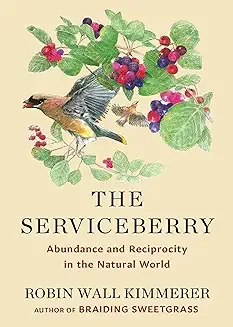
A short book, almost an essay by this wonderful author, she delves into topics broached in Braiding Sweetgrass in more depth. How we can learn from nature and Native American culture and base our motives an exchange economy based on need instead of greed. Beautifully written like her other writing, I would actually suggest this as an audio book as her voice is as soothing as the concepts she presents. —Lynn in Cape May, NJ
This small book builds on Robin Kimmerer's other works, inviting us to consider the web of relationships that surround us. She uses as her primary metaphor the gracious serviceberry showing us how it can teach us to move toward an active lifestyle of reciprocity and gift giving in society. —Tom in Minneapolis, MN
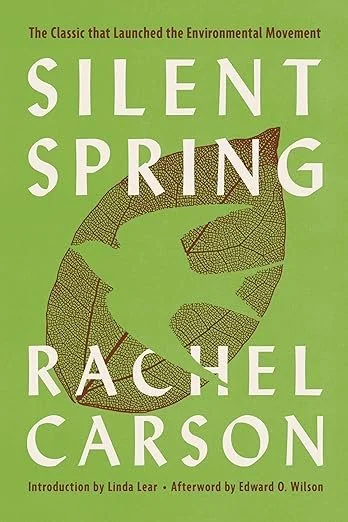
I am reading Silent Spring for the third time. I was struck this time by the parallels between her discovery of the horror of pesticides and what we have been learning about plastics. The information conveyed is vivid and provides prospective on what we are facing. Her writing is clear and rich with conviction and insight.
—Recommended by two Beyond Plastics members, Donald in Oro Valley, AZ and Patti in Marquette, MI
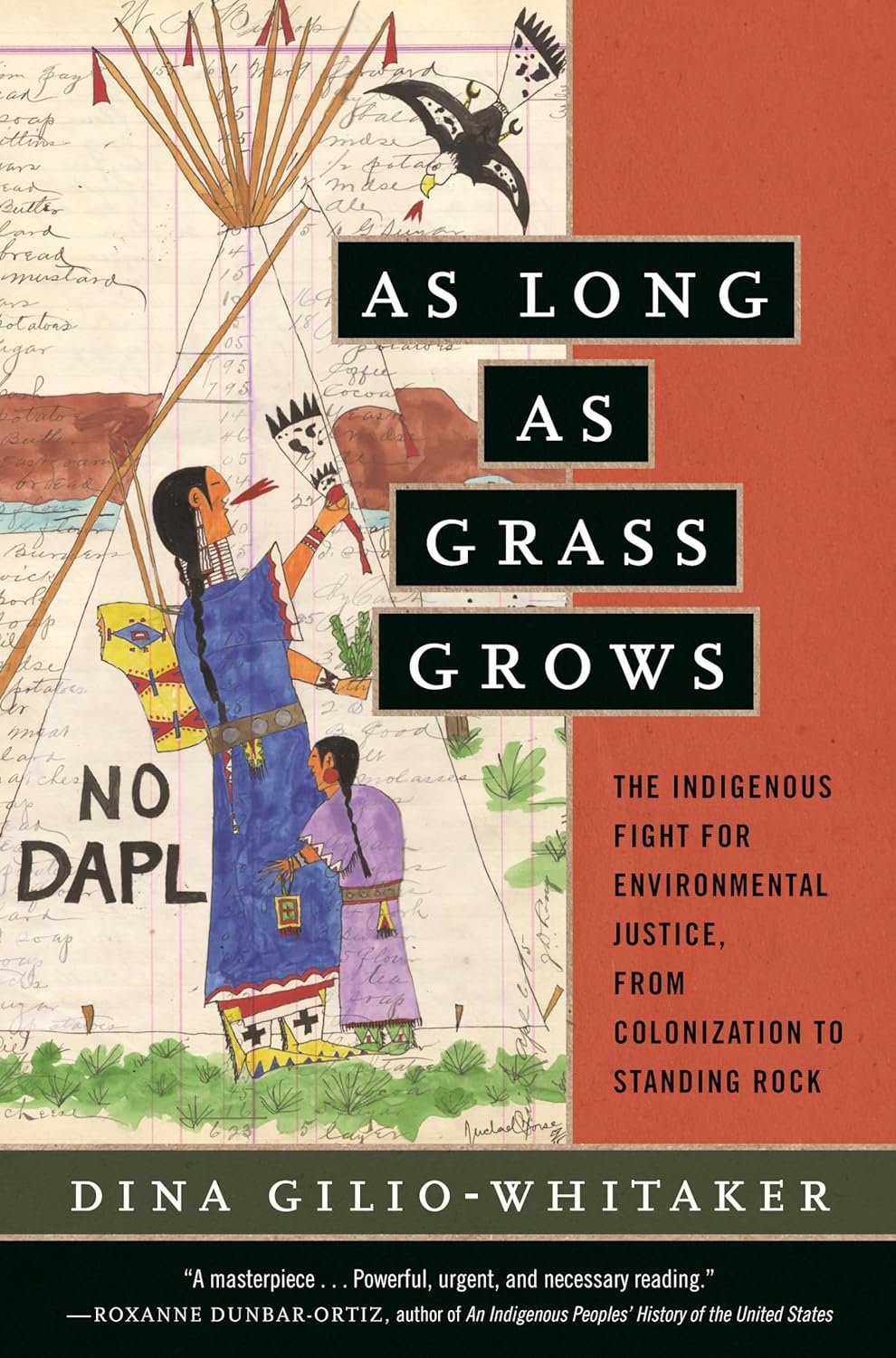
This book addresses environmental justice from a perspective in some ways different from that of the previous two books: impacts on a different demographic and in a broader variety of ways- but one commonality—involuntary imposition of adverse environmental impacts on their health and that of their sacred ecosytems. Described in some detail is the Standing Rock protest, beginning in 2016, which included the local Standing Rock Sioux tribe and thousands of Native American supporters from across North America setting up camps to try and block the oil project, arguing that the project threatens sacred native lands and could contaminate their water supply from the Missouri river, which is the longest river in North America. The 1,200 mile-long Dakota Access pipeline (DAPL) is a $3.7 billion project that would transport crude oil from the Bakken oil field in North Dakota to a refinery to Patoka, Illinois, near Chicago. Protests, confrontations with law enforcement, many lawsuits, and presidential administrations’ holds on construction delayed but, unfortunately, did not prevent its completion. —Penny F. in Charlottesville, VA
A fierce, funny, and revolutionary look at the queens of the animal kingdom. Bitch is a wonderful deep dive into all the ways the biological world can remind us we have much to learn about gender. — Maya R in Corpus Christi, TX
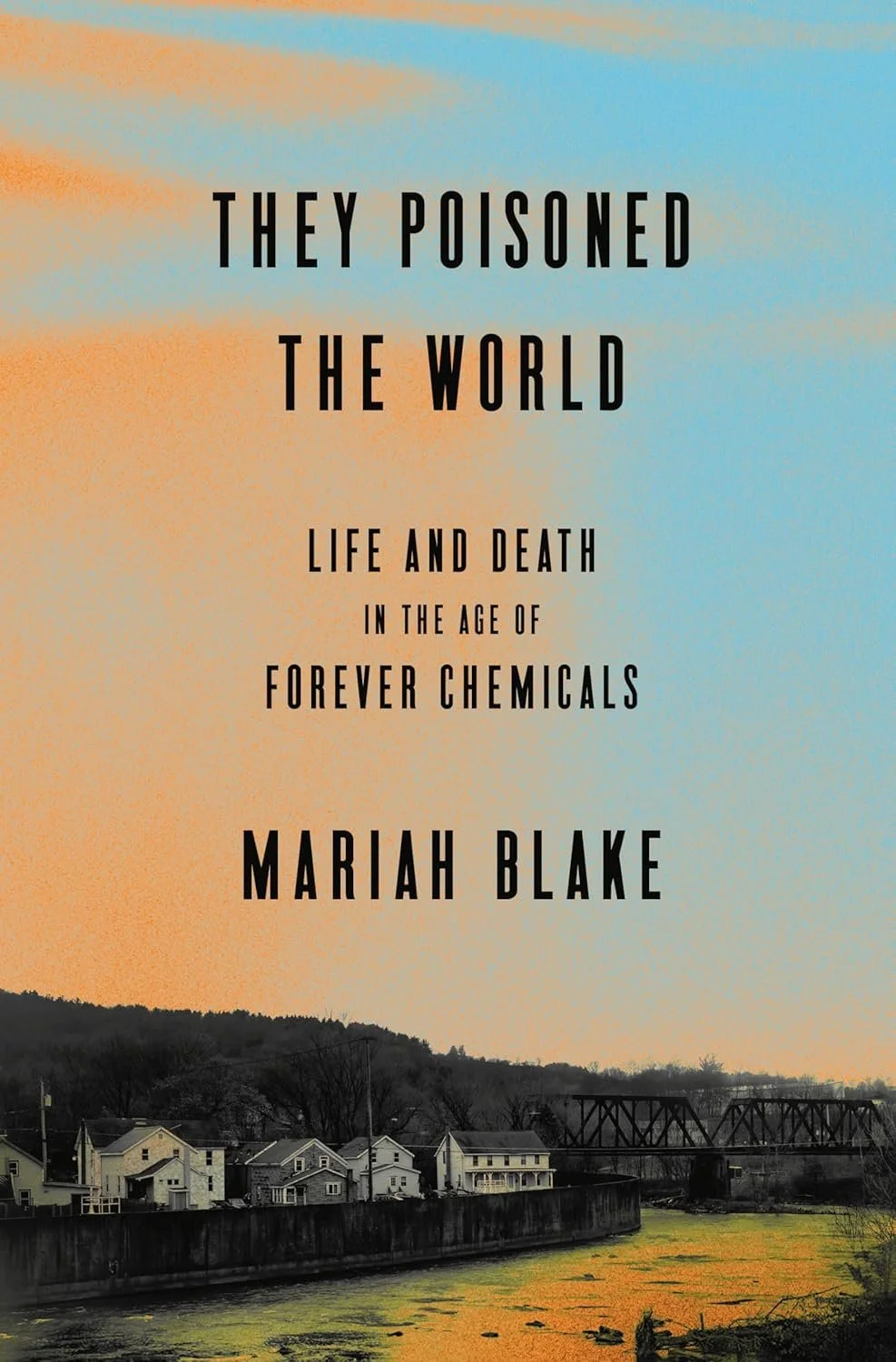
This book examines all the way back to the 1930s-40s and demonstrates that the battle between corporate profits and the public interest is eons old. We’ve been misled by DuPont, 3M, Dow and other massive chemical companies for nearly a hundred years now. —Margaret Y. in Chester, MD
HOLIDAY EDITION 2024
Browse through the picks in our 2024 holiday edition of the Beyond Plastics book club below.
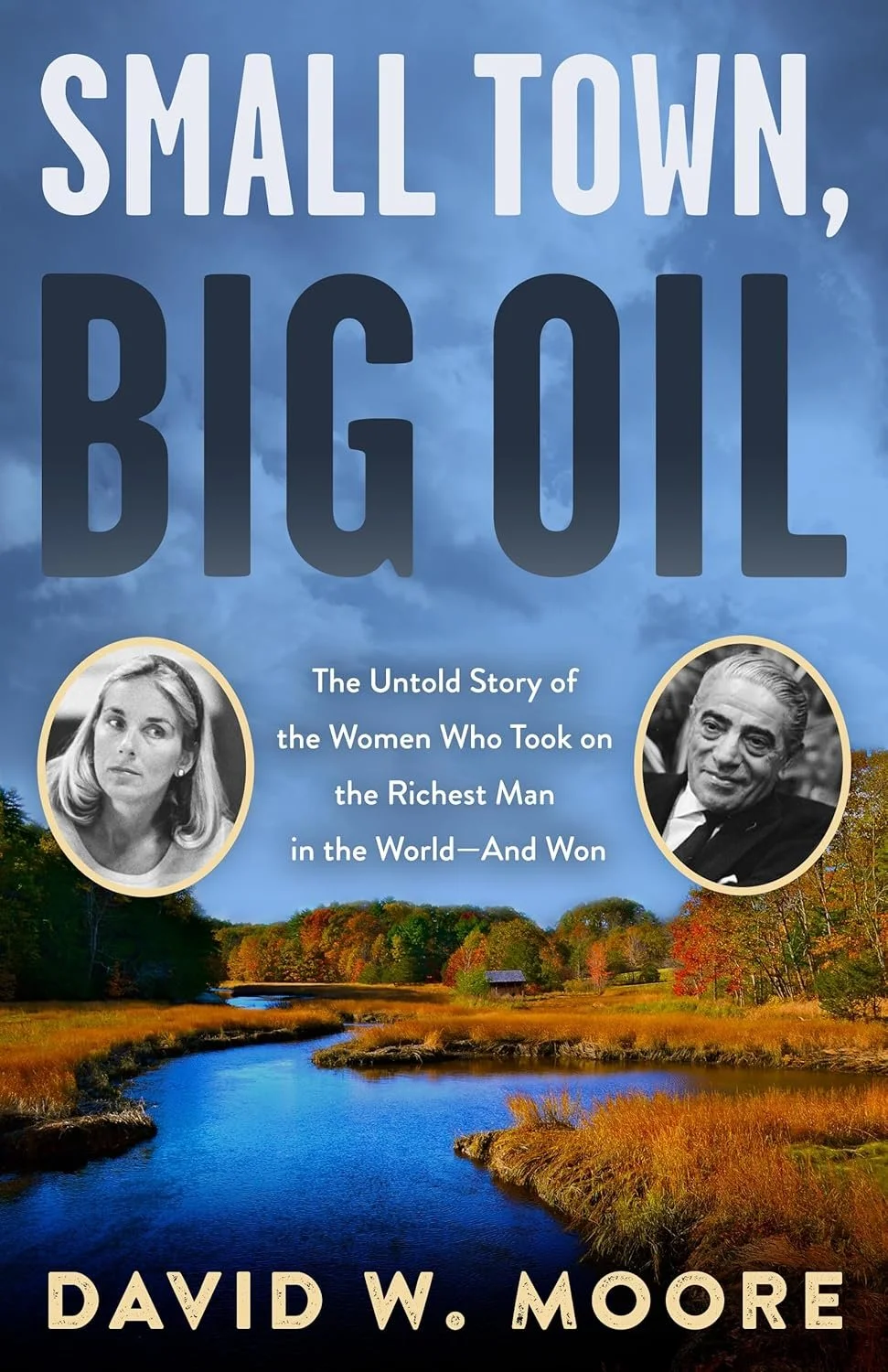
This is the inspiring story of an epic environmental battle that took place on the Seacoast of New Hampshire when a small group of residents turned activists fought bravely against a proposed oil refinery in the Great Bay backed by the richest man in the world at the time— oil shipping magnate Aristotle Onassis, husband of President John F. Kennedy's widow Jaqueline Kennedy. - Christina Dubin, Senior Community Organizer
The author and activist relays stories of past climate and environmental justice victories to prove change can happen, while smartly sharing how to make that change occur for the future. - Cathy Jenkins, Development Director
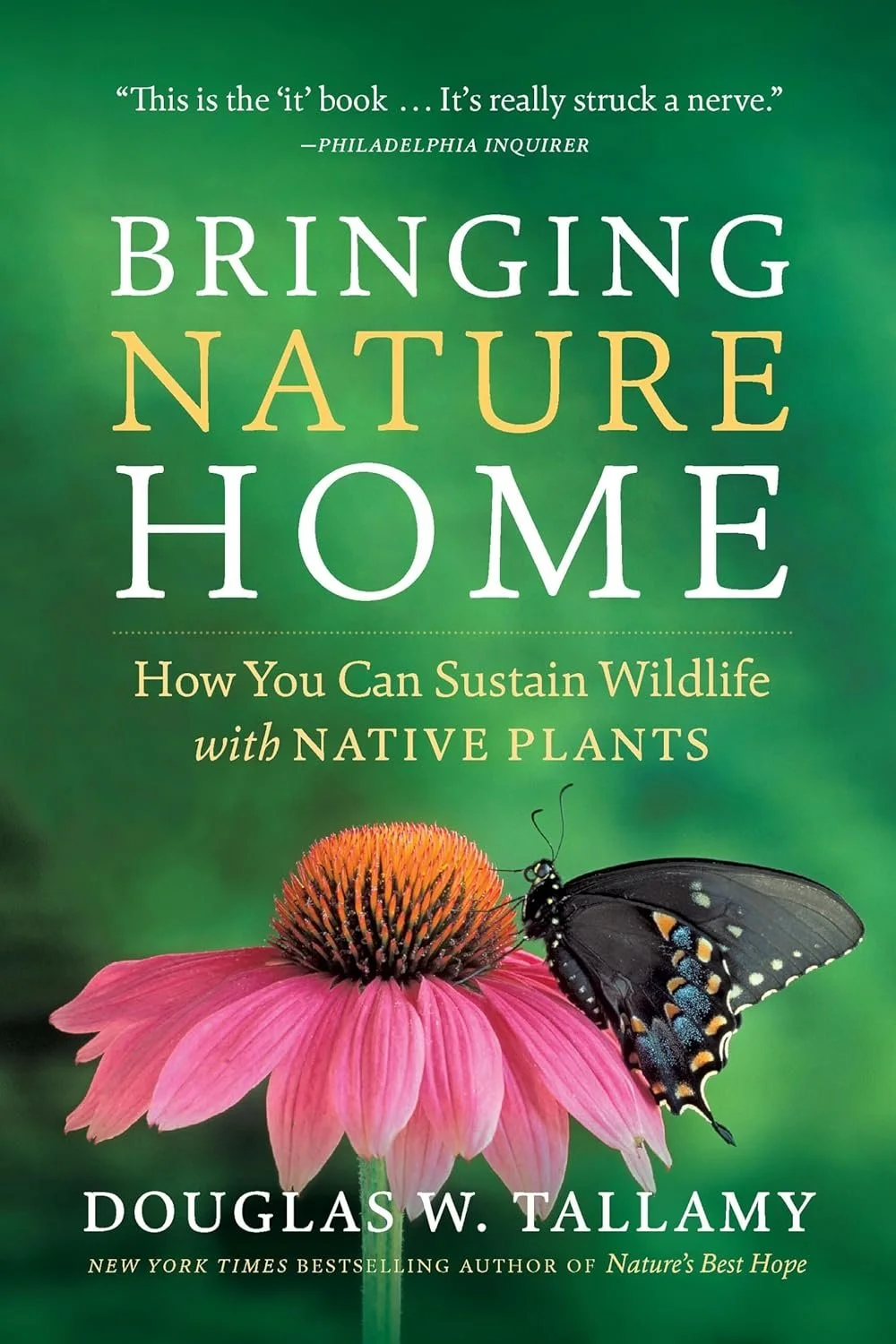
This book started me down the path of ripping out non-native plantings in my yard, replacing them with natives, and watching with wonder to see the amazing insects they attracted. - Lane Epps, Development Manager
“A very important and interesting read on the environmental impacts of outdoor recreation — extremely relevant as hiking surges in popularity since the pandemic. A great book for hikers, backpackers, and campers of all experience levels and who want to become stewards of the wilderness they recreate in. Originally published in 1977, the updated 2016 version includes a foreword by the one and only Bill McKibben!” — Andrew Craigie, Program Manager
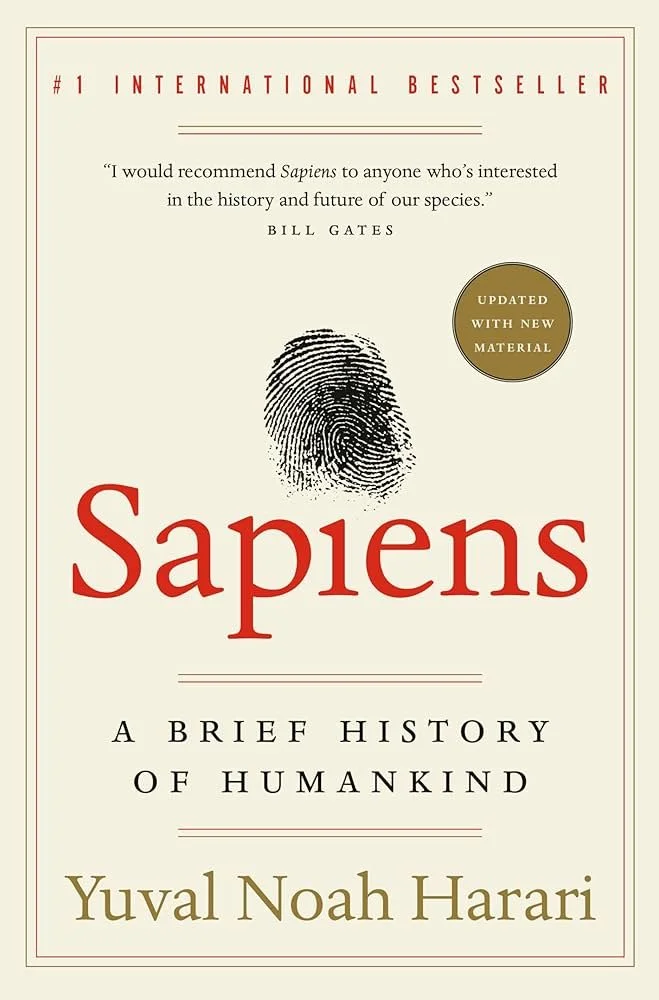
Reading this book is a much-needed antidote to the multi-faceted anxieties of the present day. Harari will change the way you think about things we take for granted about how the world works. - Jenny Gitlitz, Director of Solutions to Plastic Pollution
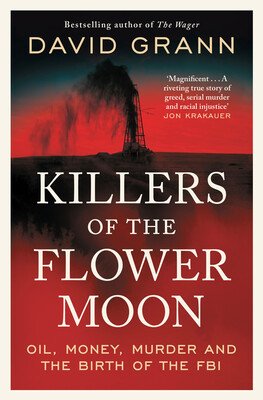
This fascinating book tells the true story of the members of the Osage Nation who were briefly some of the richest people in America after oil was discovered under the subpar land they'd been pushed onto by the U.S. government in the 1920s and what happens when their white neighbors get jealous. - Eve Fox, Digital Director
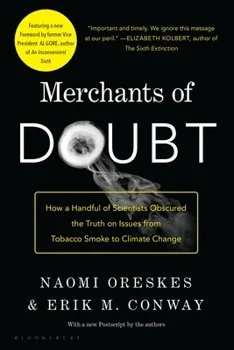
“It reads like a detective novel but, unfortunately, this is a true story about how a small group of political operatives and scientists worked to deceive the public about the very real risks of climate change.” - Judith Enck, President
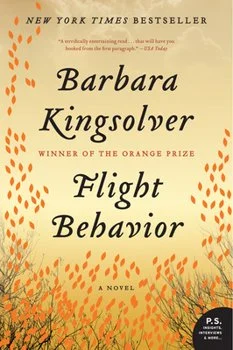
“This is a beautiful novel about woman's life on a farm in rural Tennessee and how climate change and other factors affect her community. The central characters are monarch butterflies and their migratory route.” - Judith Enck, President
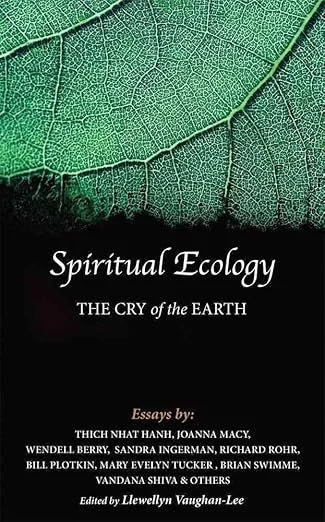
“This is a collection of essays from faith and thought leaders from many traditions reflecting on humanity's relationship with nature and divinity. A great resource to grow in ones own sense of awe and reverence for the earth and to be renewed in doing what is necessary to save it.” - Rev. Kathryn Beilke, Interfaith Partnerships Coordinator
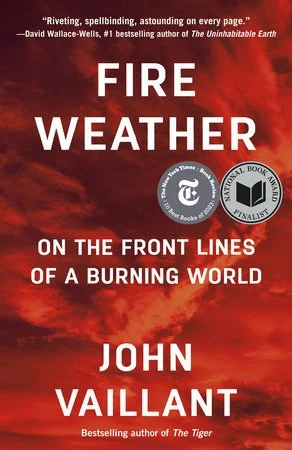
Fire Weather uses the story of a mega-fire in Canada's boreal forest to tell a tale that is becoming familiar -- and ever more frequent -- around the world. - Megan Wolff, Health Policy Director
David Rosner and Gerald Markowitz’s new book is a must-read. I am a big fan of their work. -Judith Enck
I love this book because its environmental message is disguised as a guide to personal finance. Its underlying message, and the reason author Vicki Robin says she and Joe Dominguez wrote the first edition in 1992, is to get people to lower consumption in order to save the planet. Buying less, living smaller, and finding ways to have fun without consuming stuff is good for the planet and your wallet. It's a win-win. - Lane Epps, Development Manager
This is the debut book of a reporter who has been documenting the impact of climate change on communities across the country for years. It is both a call to action and beautiful storytelling from the viewpoints of people in these communities, from New Yorkers overwhelmed by the rising floodwaters of Hurricane Sandy to Hawaiian families devastated by the 2023 Maui wildfires. He also includes historical accounts about communities that were desolated as far back as the early 20th century. The stories are painful, but the tone of the book remains optimistic. - Cathy Jenkins, Development Director
The author takes you on a personal journey through the Great Pacific Garbage Patch–with detail about taking samples and studying them in the lab. She discusses how plastics manufacturing and recycling often impacts environmental justice communities, and provides policy options for tackling the problem. - Jenny Gitlitz, Director of Solutions to Plastic Pollution
The scariest and most eye-opening (and motivating) book on climate change you’ve ever read. After I read it a second time, I traded in my Toyota for an EV and worked with the landlord to install heat pumps. - Megan Wolff, Health Policy Director
A realistic account of a world that actually surmounts climate change. A best-case scenario that gives us something tangible to aim for. - Megan Wolff, Health Policy Director
First published in 1989, this book was wildly ahead of its time. I compare it to The Giver for post-apocalyptic fiction fans in terms of being ahead of the curve. The End of Nature was written long before climate change education was sexy. We are closer to nature than most of us realize. - Jess Conard, Appalachia Director
Beautifully written and filled with facts. Sandra is a modern day Rachel Carson. - Judith Enck, President
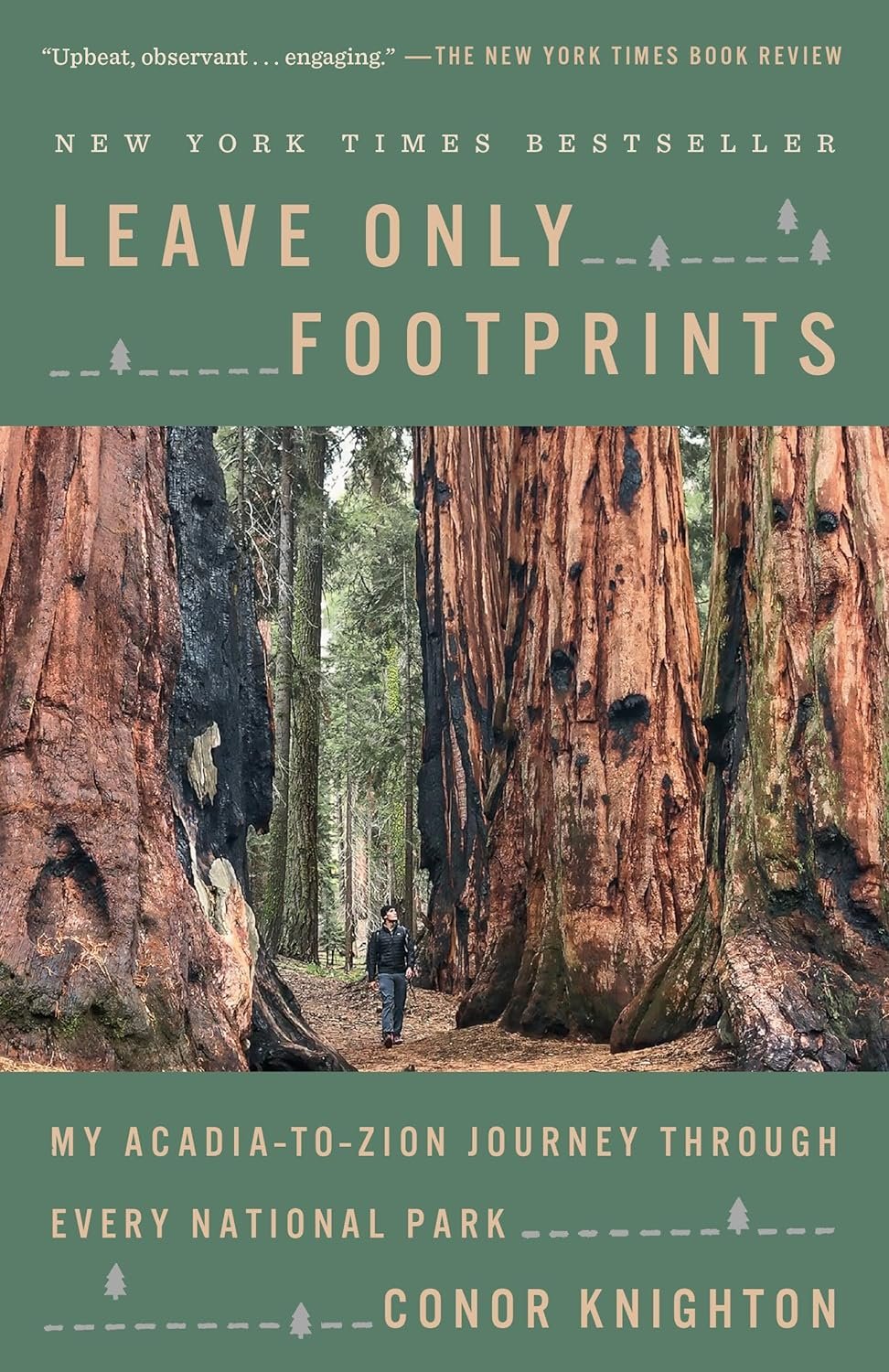
A reporter, heartbroken by a broken engagement, sets off to visit every National Park in the United States. Documenting his once in a lifetime adventure, Conor describes how the trip changed his world view and shares lots of interesting facts about each park in a humorous way that will have you planning a road trip of your own. An info packed (and humorous) book that explores not only the beauty of nature, but how it shapes and changes your world views. - Andrew Craigie, Program Manager
This novel explores land management through the solutions that Indigenous knowledge and science has long offered us, and that the mainstream environmental discourse has failed to cover. It allows the voices of Indigenous communities to be heard and sheds light on eco-colonialism. - Nyah Estevez, Community Organizer
This book has changed my view on deceitful marketing and encouraged me to take the reins to educate myself on the health risks of chemicals we use everyday and don't know about. - Jess Conard, Appalachia Director
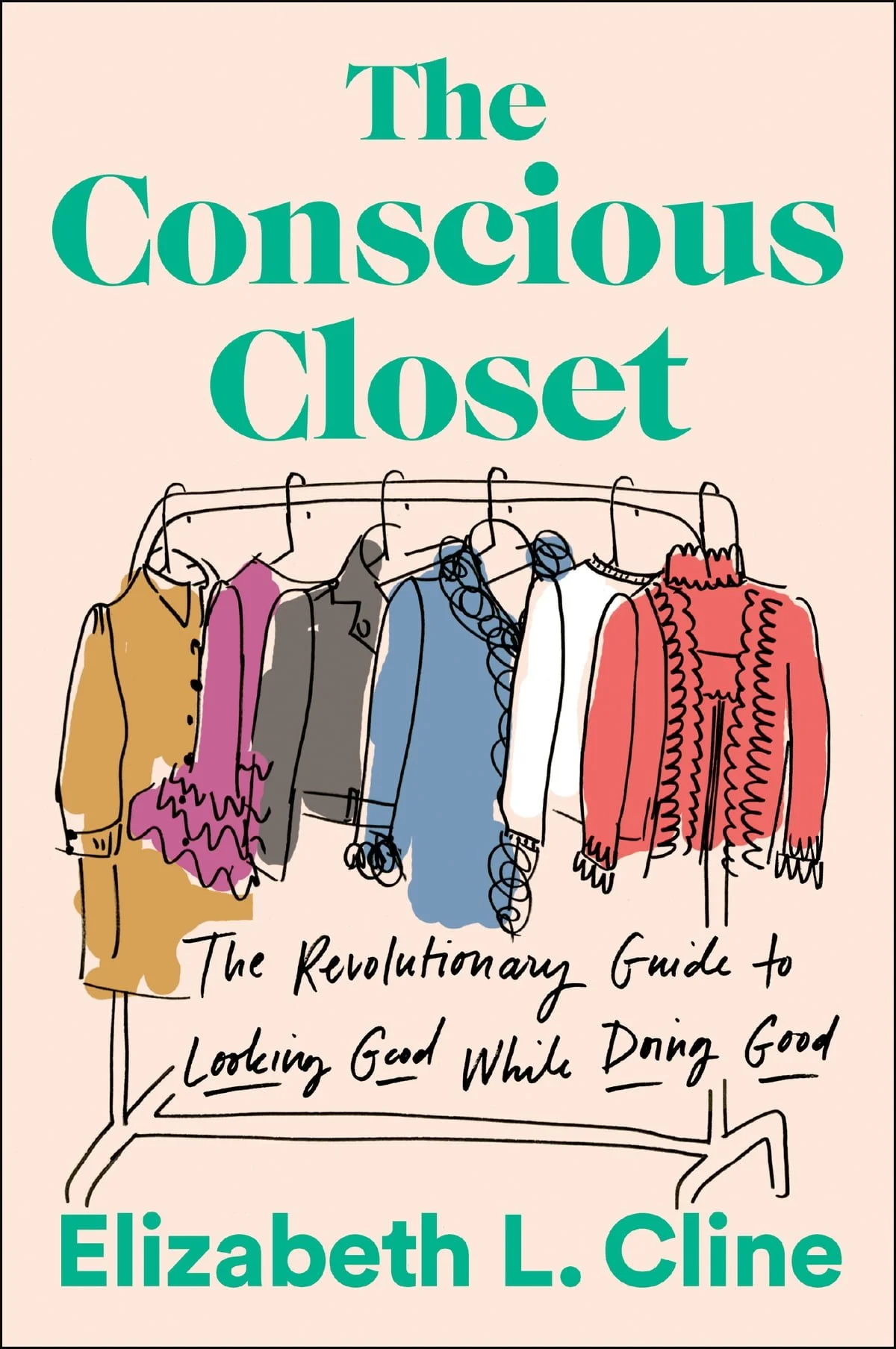
If you watched The True Cost documentary about the fashion industry but felt helpless afterwards, this book gives you concrete actions you can take to affect change. The detailed advice in this book completely changed the way I shop and build my wardrobe in a more sustainable way. - Lane Epps, Development Manager
This book beautifully widens and deepens our perspective to show us that we are part of something bigger than ourselves and that everything is connected and mutually dependent. Through Robin’s lens, you’ll see that nature - plants, insects, animals, water, landscapes - has deep meaning, offers us all gifts, and can teach important lessons. - Eve Fox, Digital Director
A book of case studies focused on wow-factor organizing and civil disobedience. Entertaining and will get your thinking cap charged for creative action. - Alexis Goldsmith, Organizing Director
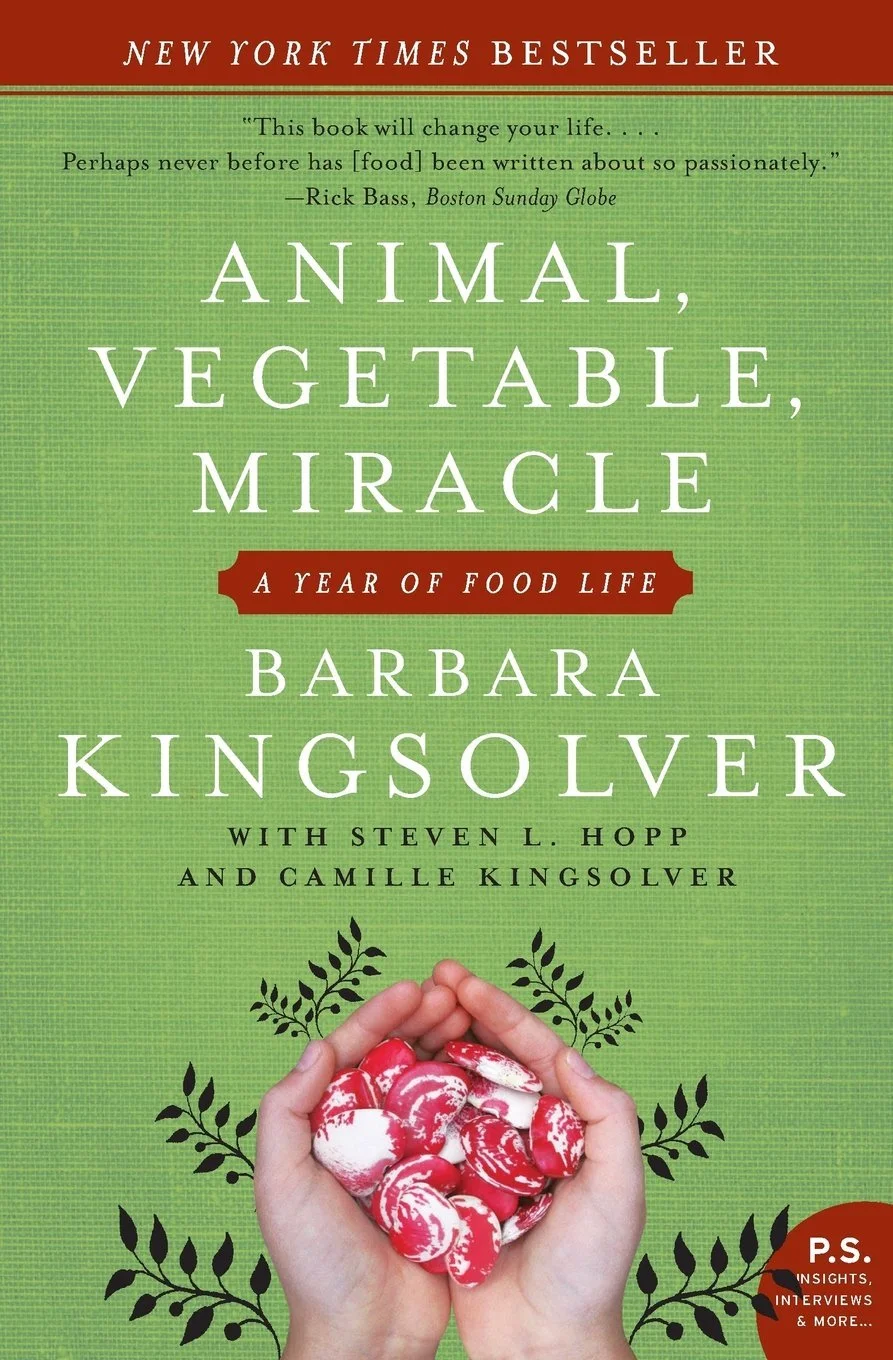
One of my all-time favorites, this is a delicious book about the transformative power of eating locally-produced food and also one of the many inspirations for finally starting a backyard garden with my kids. - Jennifer Congdon, Deputy Director
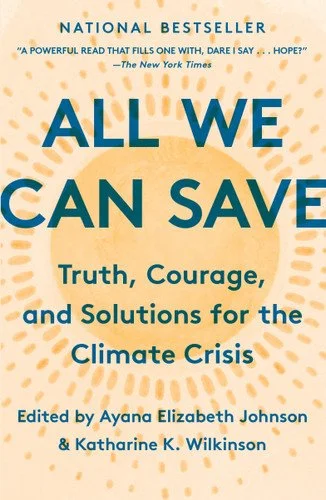
Dr Ayana Elizabeth Johnson is a hero of mine. She emphasizes joy in climate work and the need for storytelling and connection. “We need to have a whole cultural shift, where it becomes our culture to take care of the Earth, and in order to make this shift, we need storytelling about how the Earth takes care of us and how we can take care of her.” - Christina Dubin, Senior Organizer
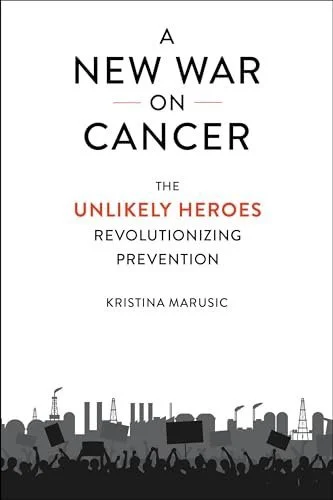
I am so sad about the number of friends and family who have been stricken by cancer. We can’t change our genes but we can change the way our bodies are exposed to carcinogens in the air, water, food and consumer products. In my mind, it starts with systemic change. This book is a deep inquiry into cancer prevention. - Judith Enck, President