🏭 Knocking out Nurdles in PA 🥊
Scientists, community members and advocates are celebrating an environmental victory in Pennsylvania! 🏆 In early September 2025, Three Rivers Waterkeeper and PennEnvironment, joined by the Pennsylvania Department of Environmental Protection (DEP), reached a proposed $2.6 million settlement with Styropek over the illegal discharge of tiny plastic pellets, called nurdles, from its plastic manufacturing facility in Monaca, Pennsylvania. The lawsuit, originally filed in December 2023 under the federal Clean Water Act, alleged that Styropek routinely released these nurdles in both wastewater and stormwater into Raccoon Creek and the Ohio River for over a year resulting in the release of 120,000 tons of pollution.
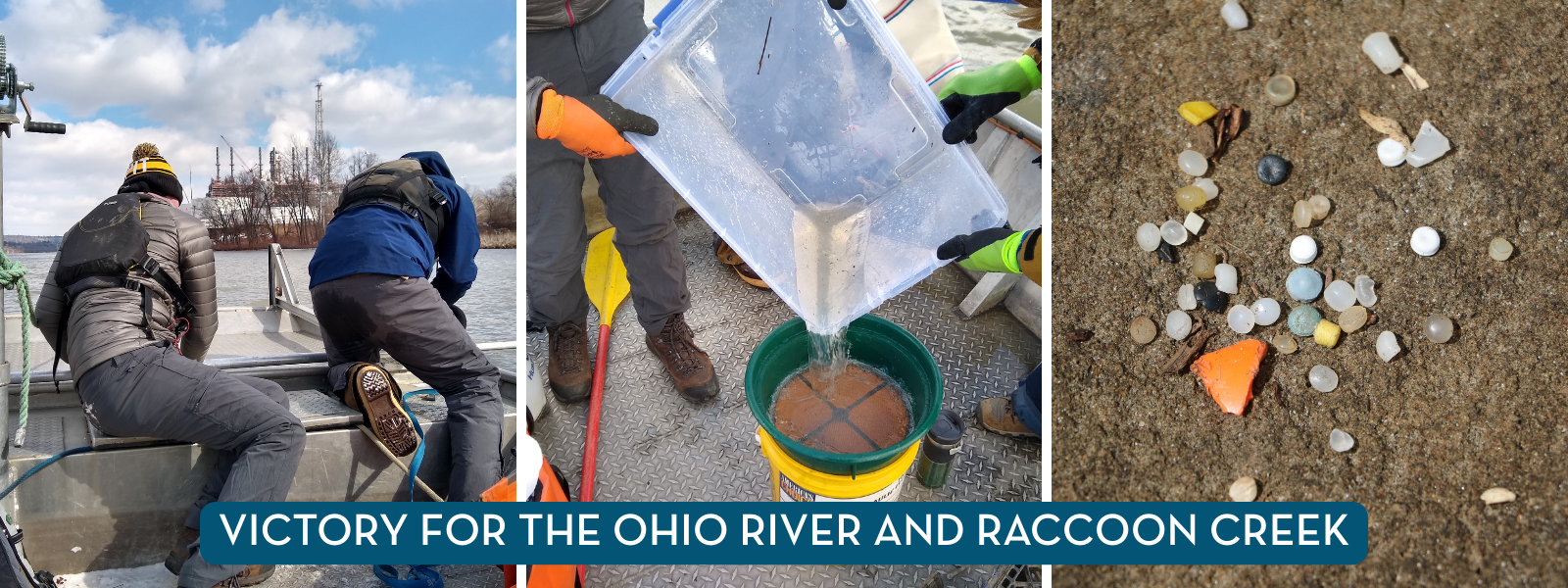
Left and middle: members of the Nurdle Patrol on the Ohio River, photos by Alexis Goldsmith. Right: plastic nurdles pollute waterways.
In September 2022, environmental advocacy organizations Three Rivers Waterkeeper, a Beyond Plastics’ affiliate, and PennEnvironment, began finding plastic nurdles in the river water. They and other organizations traced the nurdles to a plastic plant nearby — BVPV Styrenics LLC — owned by the Texas-based polystyrene maker Styropek. On October 2, 2022 these organizations filed a notice of intent to sue. On October 18, 2022, the Pennsylvania Department of Environmental Protection (DEP) inspectors documented plastic pellets on the ground at several areas of the Styropek facility in Potter Township. Again, in December 2022, DEP investigators identified plastic pollution downstream, documenting plastic pellets spilling into Raccoon Creek and the Ohio River. The DEP issued Styropek a Notice of Violation on December 23, 2022, for the unlawful discharge of plastic pellets onto land and into public waters.

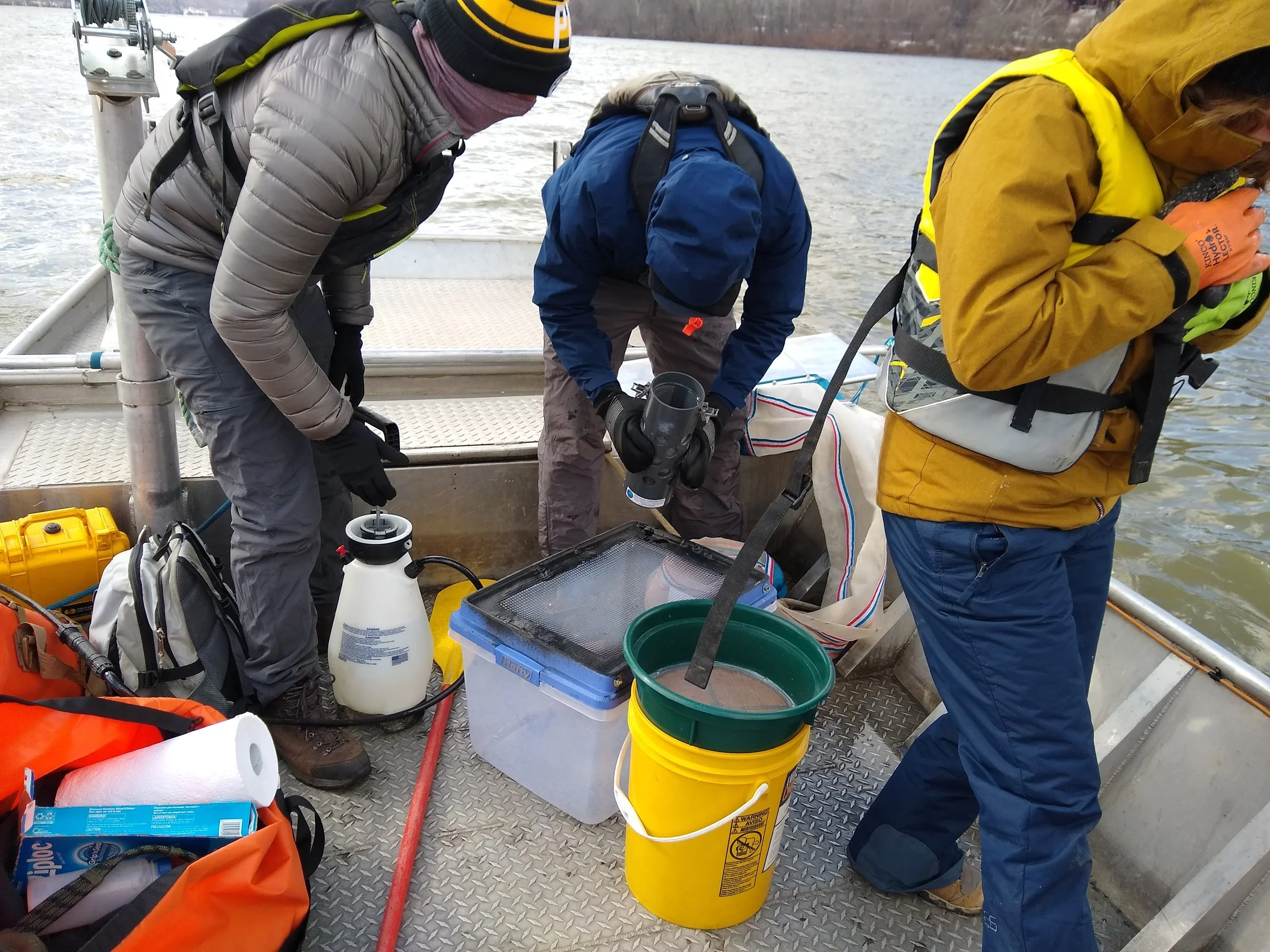
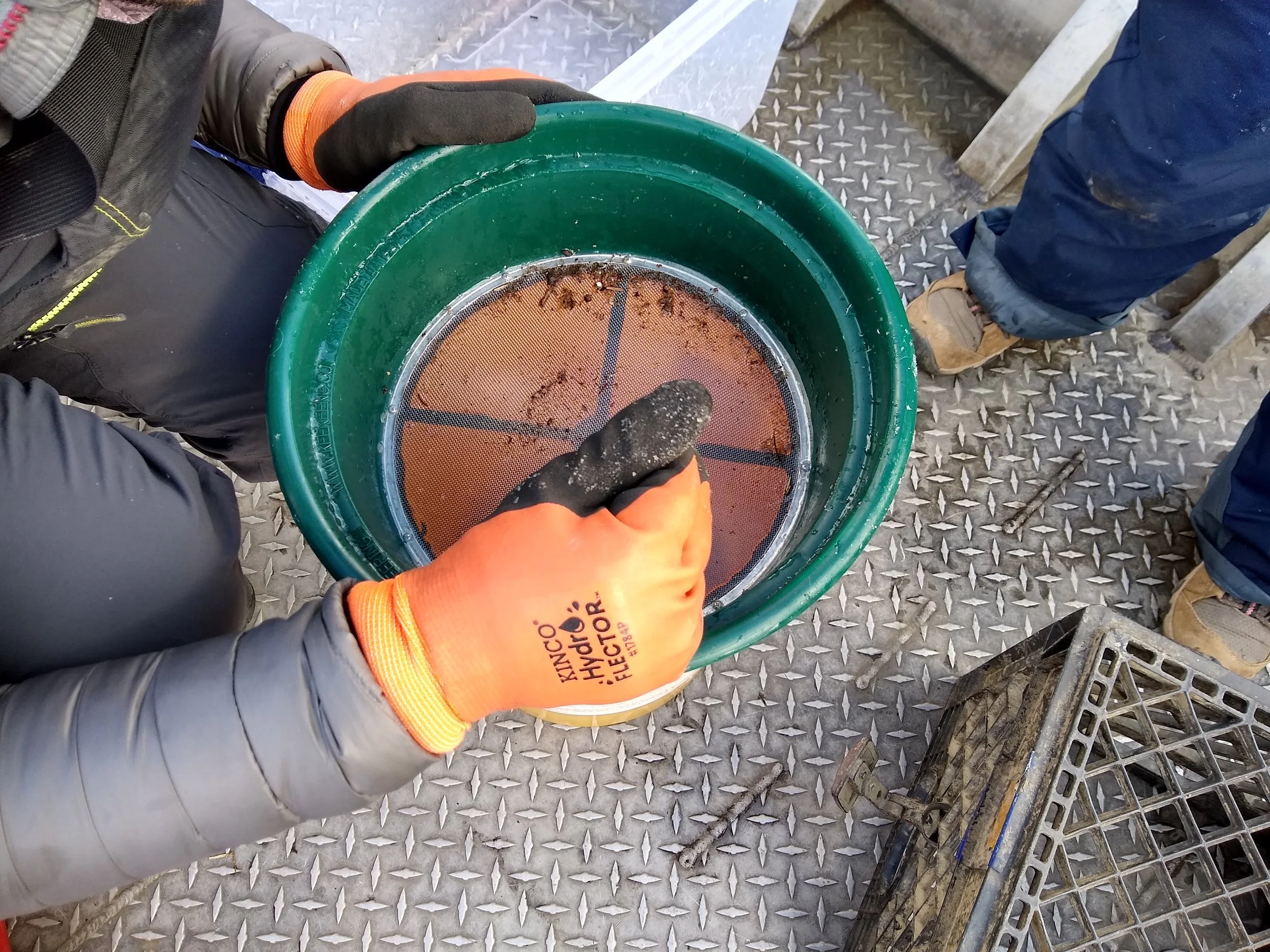
The Nurdle Patrol checking the Ohio River for plastic pollution in the winter of 2022, photos by Alexis Goldsmith, Beyond Plastics.
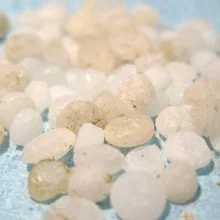
Prior to May 2025, the facility produced up to 123,000 tons of expandable polystyrene (EPS) pellets (nurdles) each year. Nurdles are about the size of a grain of rice and they can easily blow off trucks, spill into storm drains, or wash into nearby rivers and streams. They can also act like a sponge and soak up other harmful chemicals and carry them into our soil and waterways. Local wildlife often mistakes the pellets for food—fish, birds, and even farm animals can ingest them, which allows plastic chemicals to move further up the food chain. As a result, what starts as a tiny plastic pellet on the ground can end up contaminating our rivers, threatening our drinking water, and even working its way into the food we put on our own tables. These pellets represent more than just litter—they are an ongoing risk to health and quality of life.
Now pending district court approvals, the terms of the settlement would force Styropek to install state-of-the-art pollution control measures. These measures include a complete redesign of its stormwater collection and treatment system to capture all pellet waste, along with advanced monitoring equipment at every stormwater outfall that triggers automatic penalties whenever even a single nurdle is detected. Additionally, $2 million is allocated specifically for cleanup efforts in the vicinity of the facility, $500,000 will support broader watershed restoration in Raccoon Creek and the Ohio River, and $100,000 will go toward the Pennsylvania Clean Streams Fund.
“Plastic manufacturing facilities lose trillions of nurdles each year — most of which are impossible to remove from our waterways. The widespread installation of these technologies is the next step to preventing future plastic pollution and protecting our source drinking water.”
Many have hailed the settlement as a landmark victory for environmental accountability and community-led enforcement. PennEnvironment’s Executive Director, David Masur said, “This landmark victory will protect the headwaters of the Ohio River Basin and the people who rely on it for clean water, including those near Styropek’s Beaver County facility. It will also set the expectation that we should have had all along: Plastic manufacturers should adhere to a standard of zero plastic discharges in their wastewater.” Heather Hulton VanTassel, Executive Director of Three Rivers Waterkeeper, called the agreement a significant step toward preventing plastic pollution and safeguarding drinking water sources.
Congratulations to Three Rivers Waterkeeper and PennEnvironment on this significant victory and all of your hard work to protect Raccoon Creek, the Ohio River, and all the people, animals, and plants that call these watersheds home! 👏
Wondering what is going on to stop plastic pollution in your neck of the woods? Check out our Local Groups & Affiliates map to get involved with a group near you.
If you aren’t able to offer time to a local volunteer effort, please consider supporting nonprofits Three Rivers Waterkeeper and PennEnvironment with a donation. As a national organization we also appreciate your support as we work to end plastic pollution for your health, your community and the planet.
