

Why Do We Need to Take Extra Precautions to Protect Children?
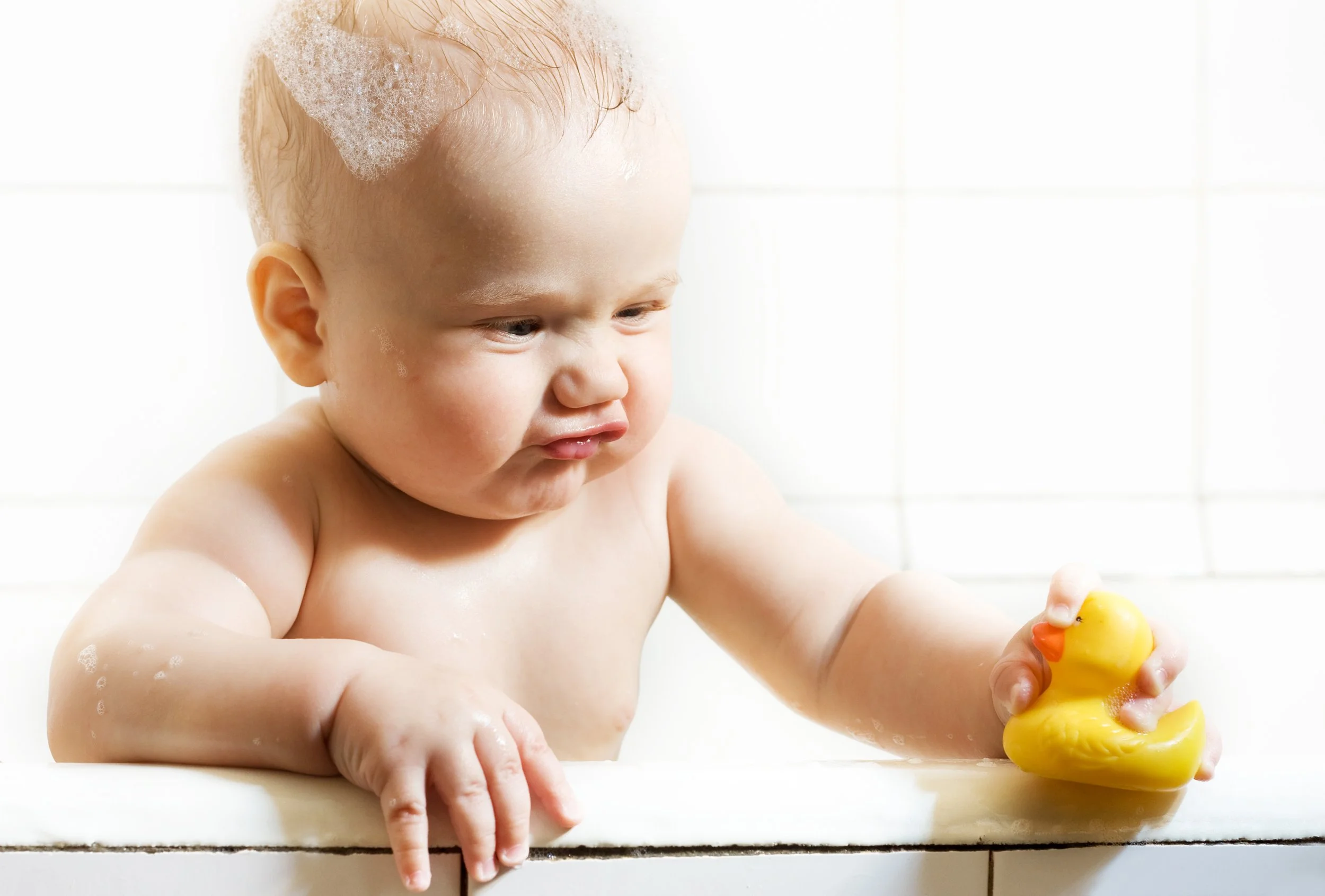
Children aren’t just small adults, but instead have unique vulnerabilities to the harms of plastic. Plastics contain thousands of hazardous chemicals, and many more that lack safety data. Scientists are particularly concerned about endocrine-disrupting chemicals, which are chemicals that interfere with the body’s hormonal systems. This is a huge concern for children because hormones are essential to guide growth and development.
Children are uniquely vulnerable to toxic chemical exposures for several reasons. First, their smaller body size means that the same “small dose” in an adult will have a higher concentration in their bodies. Second, children eat, drink, and breathe more per pound of body weight than adults, increasing their relative exposure. Lastly, infants and young children spend more time close to the ground, where chemical-carrying dust and microplastics gather, and are more likely to put their hands or objects in their mouths.
Perhaps most importantly, children’s bodies are still developing and they experience what scientists call “critical windows” of development. These are vulnerable periods of organ growth that happen at specific ages. During these times, you can think of the body like wet cement: easily shaped, but also easily damaged forever. Because these windows are only “open” briefly, disruptions can lead to long-lasting and irreversible effects, even if the exposure is short. A well-known example is that exposure to even small amounts of lead in early childhood — a “critical window” for brain development — can lead to long-term behavioral issues and loss of IQ.
This type of vulnerability begins even before birth. Exposure to harmful chemicals during pregnancy can affect a developing fetus, sometimes with consequences that are even more serious than exposures later in life.
It’s important for policy makers to fully understand that we are not all equally vulnerable to chemical exposures from plastic. By recognizing the unique risks that exist during childhood, we need to protect children from harmful exposures and create healthier environments for their growth and development.
Check out our newest fact sheet on plastic in toys to learn about an often underappreciated exposure source for children.
Do you have a question about the science of plastics? You can submit it here for Trisha’s consideration. Please note that we cannot answer every question we receive.
