🎆 Celebrating Juneteenth with Environmental Justice Advocates on the Frontlines of Plastic Pollution 🌍
Juneteenth is a celebration of freedom — but for millions of Black Americans living on the frontlines of plastic pollution and petrochemical expansion, the promise of that freedom remains out of reach. Incinerators, landfills, waste transfer stations, refineries, and chemical plants are disproportionately sited in Black and brown communities, poisoning air, water, and soil — and making it crystal clear that environmental justice is a civil rights issue.
This June, we spoke with two powerful advocates who are doing something about it!
Roishetta Sibley Ozane, PhD is the founder of The Vessel Project of Louisiana and a tireless voice for communities along the Gulf Coast surrounded by petrochemical infrastructure.
Bigga Dre is a musician, an organizer, and the heart of Philadelphia’s Juneteenth celebrations. He has spent his life connecting the celebration of Black freedom to the ongoing fight for clean air, clean water, and environmental dignity.
Together, they remind us that ending plastic pollution is not just an environmental goal — it is a freedom struggle. We're honored to share their perspectives, and we encourage you to support their work and their organizations this Juneteenth and beyond.
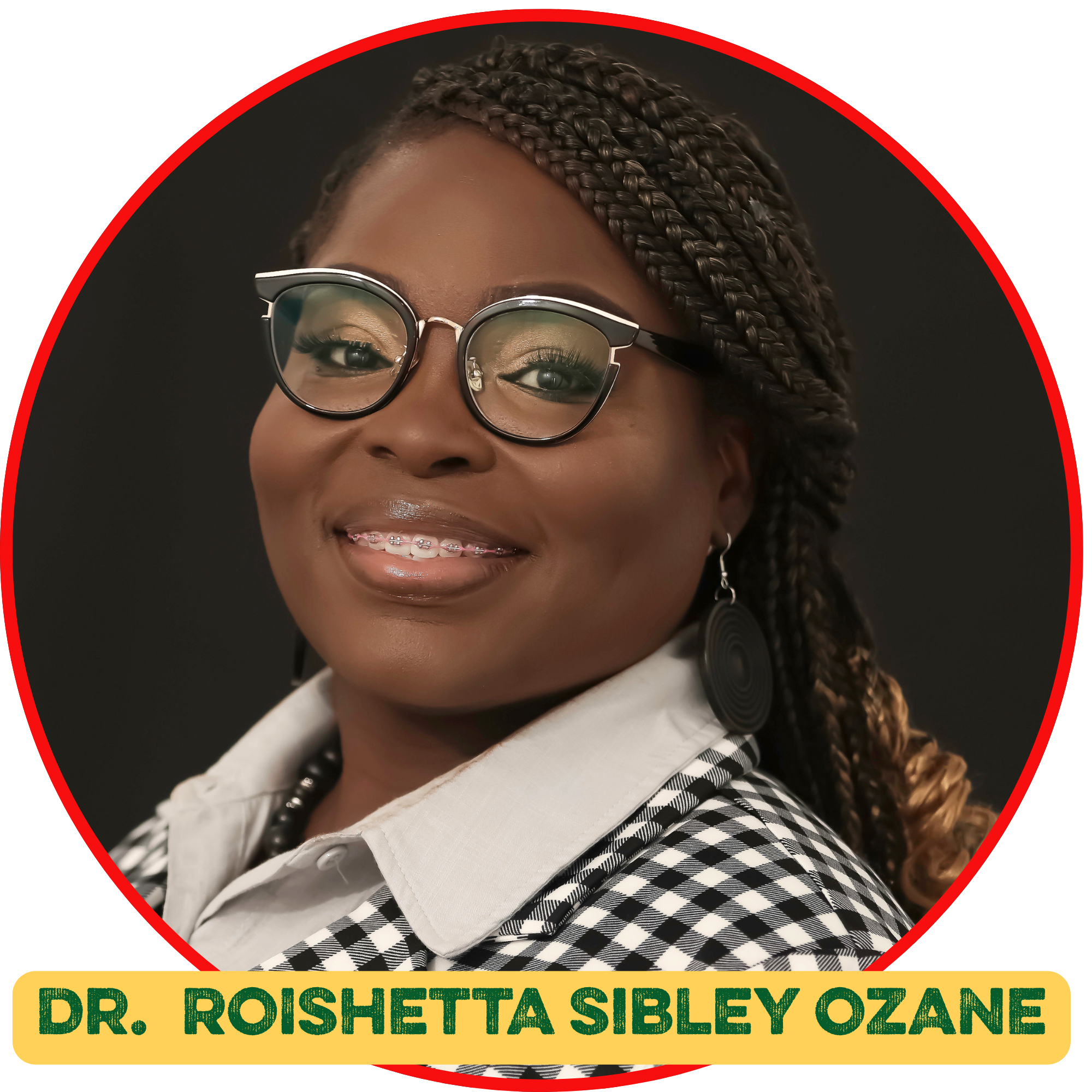
Roishetta Sibley Ozane is the founder and CEO of The Vessel Project of Louisiana; Gulf Fossil Finance Coordinator; and a longstanding, well-respected environmental justice advocate from the Gulf Coast. Her work has included raising awareness about petrochemical and plastic pollution and educating communities about climate and environmental justice, and she has organized tours for federal agencies to witness firsthand how refineries poison water and soil in Black and marginalized communities.
——————————————————————————
Q: Juneteenth celebrates liberation, but many Black communities along the Gulf Coast still live surrounded by petrochemical plants and plastic production facilities. How do you connect the promise of Juneteenth to the fight for environmental freedom your community is still waging?
A: Juneteenth represents freedom delayed but never denied. For many communities across the Gulf Coast, especially Black communities, we are still fighting another form of unfinished freedom, the freedom to breathe clean air, drink safe water, and live without disproportionate exposure to industrial pollution. In Southwest Louisiana, generations of families have lived alongside petrochemical facilities and expanding plastic production infrastructure while carrying the health, economic, and environmental burdens that come with it.
Environmental justice is a continuation of the civil rights movement. Freedom cannot exist where communities are forced to sacrifice their health so industries can profit. The promise of Juneteenth reminds us that liberation is not only about legal freedom; it is about dignity, safety, self-determination, and the ability to thrive. Our fight for environmental justice is part of fulfilling that unfinished promise.
Q: You’ve described environmental justice and social justice as deeply intertwined. How does plastic pollution specifically show up as a racial justice issue in the communities you serve in Southwest Louisiana?
A: Plastic pollution is not just a waste issue; it is a racial justice issue. In Southwest Louisiana, Black and low-income communities disproportionately experience the impacts of plastic production, petrochemical expansion, and industrial pollution. Plastic production facilities bring increased air pollution, toxic emissions, cumulative health burdens, disaster vulnerability, and environmental degradation into communities that have historically experienced systemic inequities.
These same communities often have fewer resources to relocate, recover from climate disasters, or access healthcare when pollution contributes to illness. We also see how environmental burdens overlap with economic inequality, housing disparities, and political underrepresentation.
Communities should not have to choose between jobs and health, or economic survival and clean air. Environmental justice means ending the pattern where some communities are treated as sacrifice zones while others benefit economically.
Q: What would true environmental emancipation look like for a community like Sulphur — and what policy changes around plastic production would get us closest to that?
A: True environmental emancipation would mean communities like Sulphur no longer carrying a disproportionate share of pollution and industrial risk. It would mean children growing up with cleaner air, safer water systems, healthier ecosystems, and stronger protections from climate disasters. It would mean community voices holding real decision-making power.
Policy changes that would move us closer include:
Stronger environmental permitting requirements that fully account for cumulative pollution impacts
Greater corporate accountability and transparency around emissions and plastic production
Stronger enforcement protections under environmental laws
Increased investment in community-centered resilience, public health protections, and disaster preparedness
Policies that reduce unnecessary virgin plastic production while accelerating sustainable alternatives
Stronger public participation processes so frontline communities have meaningful input before industrial projects are approved
A fully funded, feminist, fair, equitable, just transition off of fossil fuels.
Environmental freedom means communities are valued more than corporate profit.”
Q: What is the best way for people to support and get involved with your work?
A: People can support our work by investing in community-led environmental justice efforts, amplifying frontline voices, volunteering, donating, and advocating for stronger protections for communities disproportionately impacted by pollution and climate change. Visit my web site to learn more.
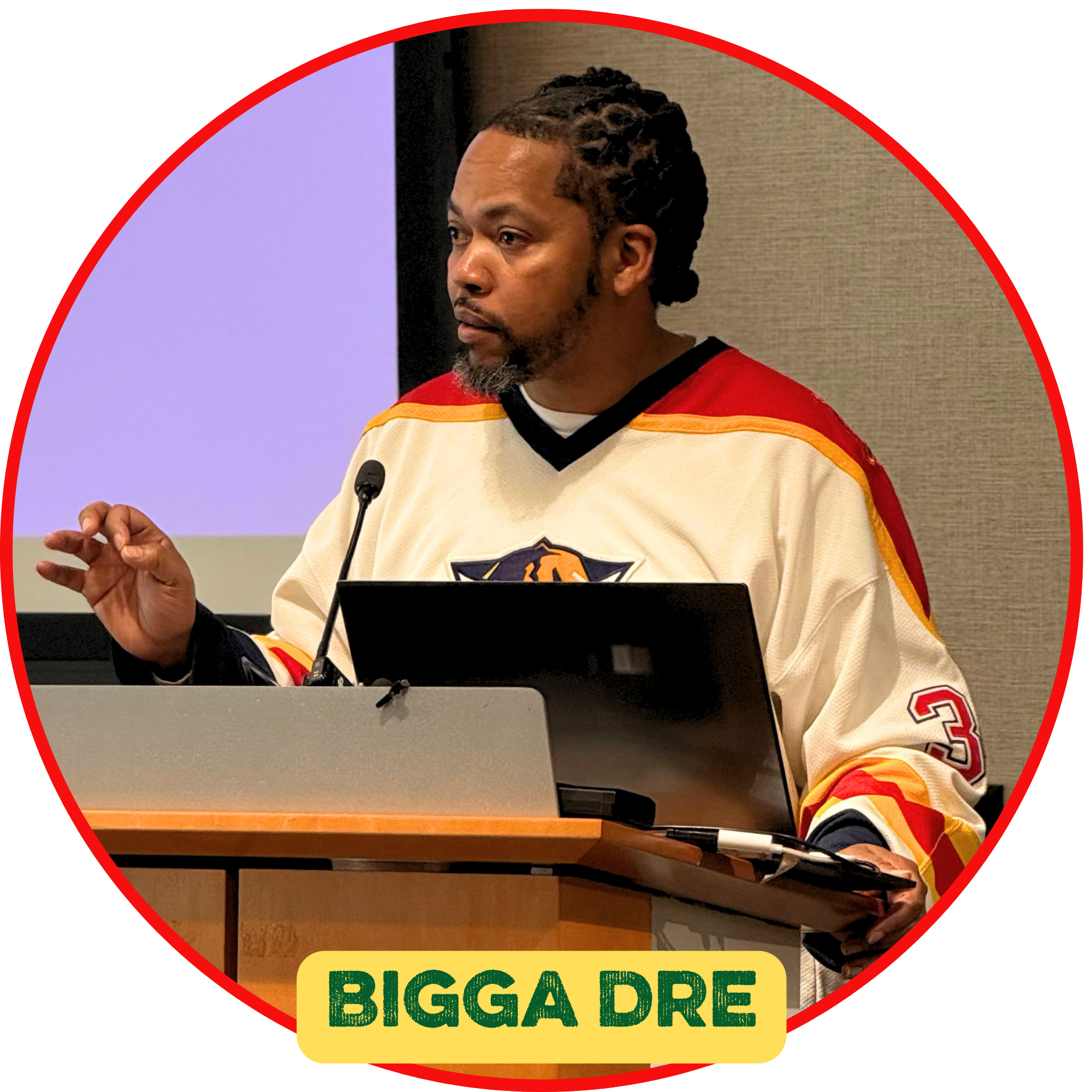
Bigga Dre is a Philadelphia-based musician, activist, Juneteenth organizer, and member of Chester Residents Concerned for Quality Living (CRCQL).
He is one of the main reasons Philadelphia's Juneteenth has grown into a major, citywide celebration, and he has deep roots in the environmental justice fight — including work with Zulene Mayfield's CRCQL, which has long battled a massive solid waste incinerator in Chester.
——————————————————————————
Q: You've been at the center of building Juneteenth into a major celebration in Philadelphia. How intentional are you about connecting the joy of that day to ongoing struggles like pollution and waste facilities in Black communities?
A: This is a national effort that I'm actively involved in — doing community organizing, working with legislators, and creating SOLUTION-based events to empower underserved marginalized people with information and resources. At my Annual June 19th Bigga Dre Juneteenth Freedom Celebration, we celebrate the holiday in the spirit of our ancestors while placing a strong emphasis on the theme of "FREEDOM." The program includes updates on the progress of The Stop Trashing Our Air Act, how to get involved and connect with CRCQL, other community members, and environmental groups who share the same vision of a cleaner greener safe place for future generations to unrestrictedly BREATHE and live.
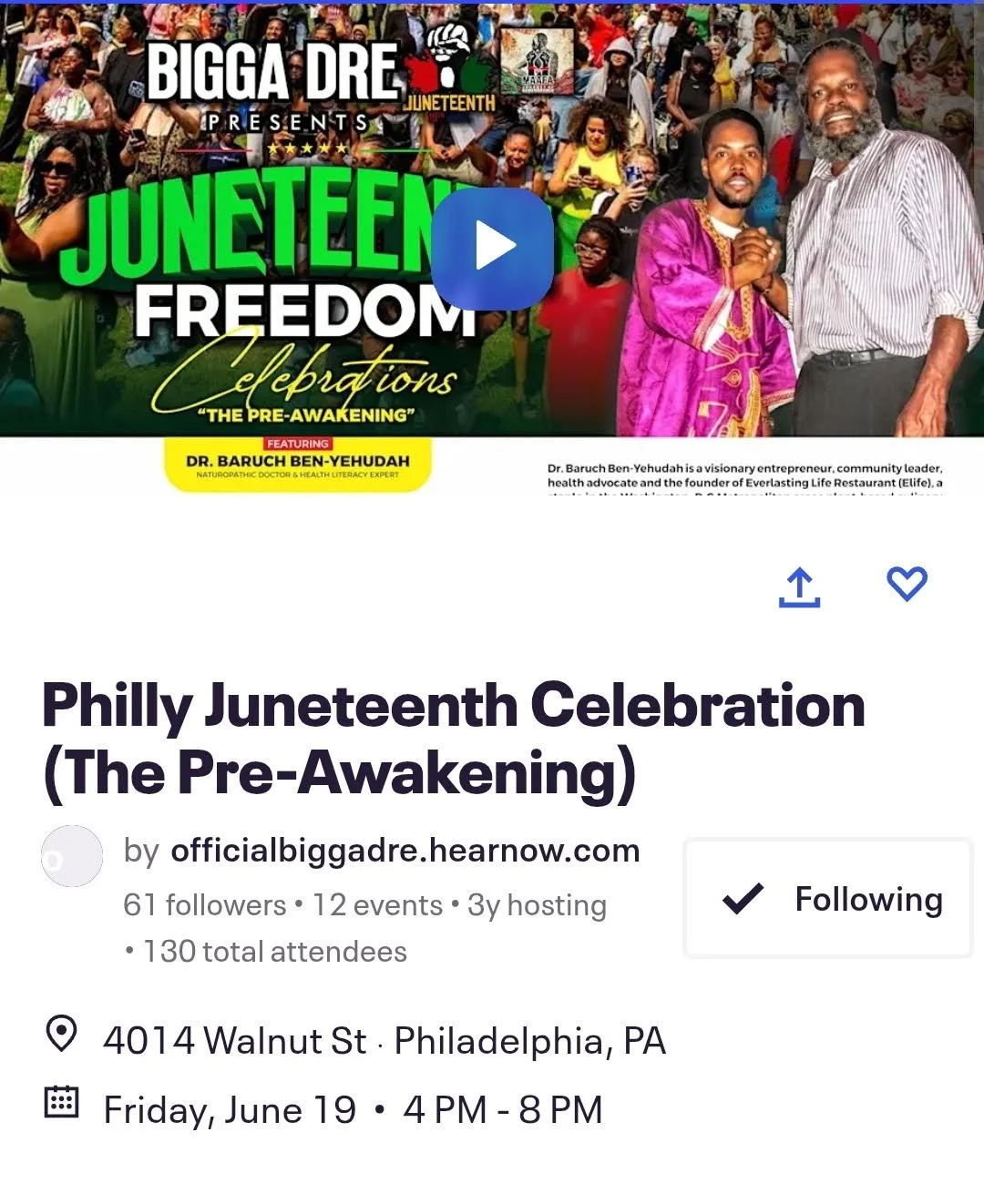
We also explore the systemic challenges and threat of emerging data centers targeting the same demographic of people who reside in areas where there is a ongoing fight against environmental genocide. There will be a lecture on this subject and more! We are encouraging our youth to FOCUS on Education Over Incarceration while connecting students with free tutoring for the entire school year provided by Parents United For Better Schools. Lastly, attendants learn about making good health our reality — forgetting the old markers of success; promoting good health and longevity being the New Flex!
Q: You move between music, youth organizing, and environmental activism. How do you use culture and celebration as tools to get everyday people — especially young people — engaged in issues like plastic pollution that can feel distant or technical?
A: Culture is the glue that keeps the community together. As a instructional Support Specialist and consultant I run a youth mentoring program called T.D.L. (Tween Development League) that is offered during the school year and sub-contracts throughout the summer. We create music through a digital platform and I teach the kids about rites of passage, environmental safety academic enrichment, and discipline through culture!
As a songwriter and performance recording artist, I use my platform to create music in the form of specialized PSAs. The first of which is called ESCHATOLOGY "Bring Our Girls Back" which is currently available for download on all digital platforms. I encourage people to use the theme music to bring more awareness using their social media tools and cinematography to express visually what is being conveyed lyrically.
Q: How can people support your work and get involved?
A: You can donate via PayPal to support all my efforts. Visit my website officialbiggadre.hearnow.com to listen to and download my music. Sign my petition to bring the Ebony Alert to Pennsylvania here. If you’d like to book a concert or event, please email me directly at officialbiggadre@gmail.com
