This event has passed. You can watch the recording below.
You may have heard about microplastics and nanoplastics infiltrating the human body. Maybe you saw a news article about how there’s roughly the equivalent of a plastic spoon’s worth of micro and nano-plastics in our brains or a headline about microplastics in the human placenta, breast milk, or testicles. Few people realize that plastics are made with more than sixteen thousand known chemicals. These chemicals are added to plastics to give them various qualities - shiny, matte, flexible, hard, heat resistant, etc. Unfortunately, more than a quarter of these chemicals are known to be toxic.
Please join Beyond Plastics, and Ami Zota, ScD of Columbia University and Ryan Babadi, PhD of Toxic-Free Future for a free educational webinar about the toxic chemicals in plastics. Learn which toxic chemicals are used in plastics that are commonly used to make children’s toys, dishes and kitchenware, clothing, food and beverage packaging, building materials, cosmetics, personal care products, and more. We’ll also discuss the negative impacts of these chemicals on our health and environment as well as how you can help protect yourself and your community from them.

About our speakers and moderator:
Ami Zota, ScD, Associate Professor of Environmental Health Sciences
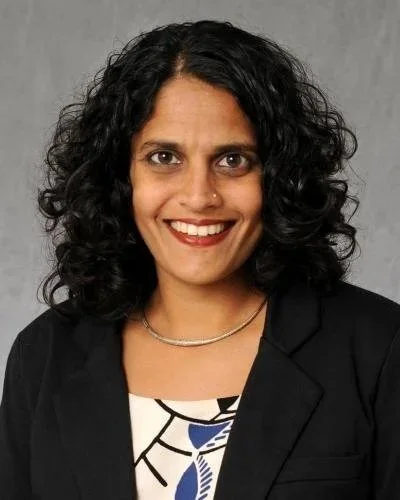
Ami is a population health scientist with expertise in environmental health, environmental justice, and maternal and reproductive health. Her research focuses on understanding social and structural determinants of environmental exposures and their consequent impacts to women's health outcomes across the life course. Her long-term goal is to help secure environmental justice and health equity among systematically marginalized populations by advancing scientific inquiry, training next generation leaders, increasing public engagement with science, and supporting community-led solutions for structural change. Dr. Zota was among the first to frame the disproportionate burden of toxic chemical exposures from beauty and personal care products among women of color as an environmental justice concern. She co-developed an intersectional framework called "the environmental injustice of beauty", which links systems of power and oppression, such as racism, sexism, and classism, to Eurocentric beauty norms, racialized beauty practices, and adverse environmental health outcomes.
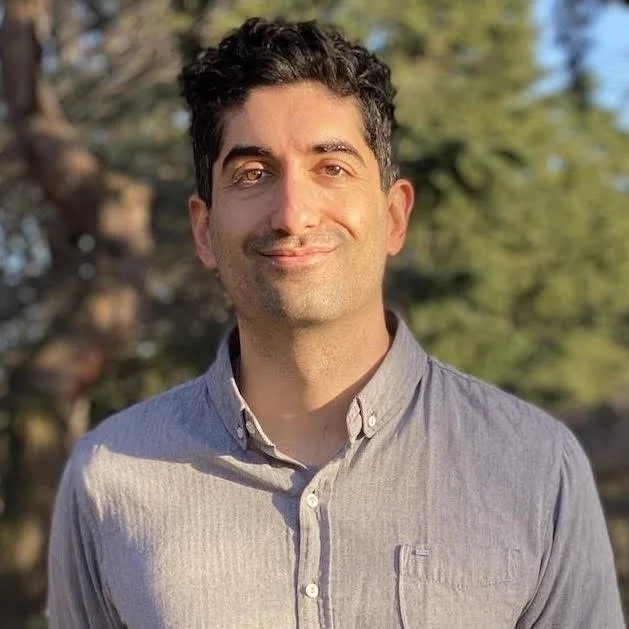
Ryan Babadi, PhD, Science Director, Toxic-Free Future
Ryan is an environmental health scientist with experience across academia, government, and the nonprofit sector. He is the Science Director for Toxic-Free Future, a national leader in environmental health research and advocacy. His research experience involves epidemiological studies of environmental exposures and related health outcomes. Ryan completed postdoctoral research fellowships at the Centers for Disease Control and Prevention and the Harvard T.H. Chan School of Public Health, and he holds a PhD in environmental toxicology from the University of Washington, an MPH from UCLA, and undergraduate degrees in biological sciences and history from UC Irvine.
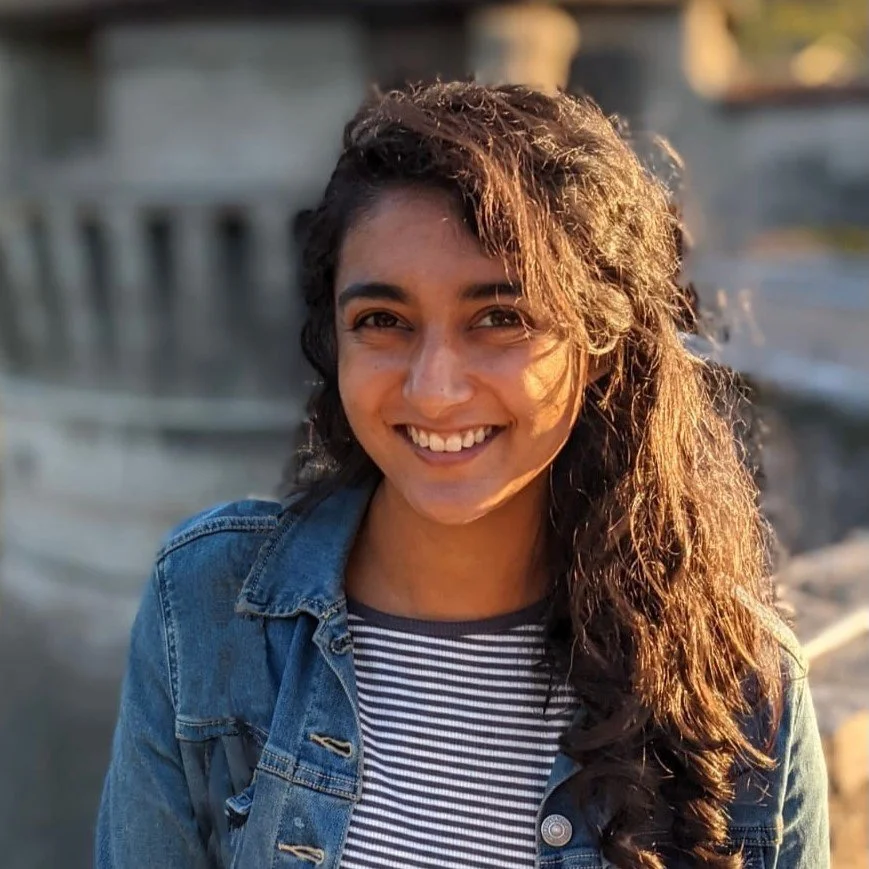
Trisha Vaidyanathan, PhD, Science Director, Beyond Plastics (Moderator)
Trisha is a scientist and researcher dedicated to using science to drive policy change. She has a decade of academic research experience, and holds a BA from UC Berkeley and a PhD in neuroscience from UC San Francisco. Her passion for environmental health grew from her postdoctoral research at Duke University, where she studied how prenatal exposure to air pollution affects brain development, work that illustrated to her the urgent need to translate science into action.